Song Meaning
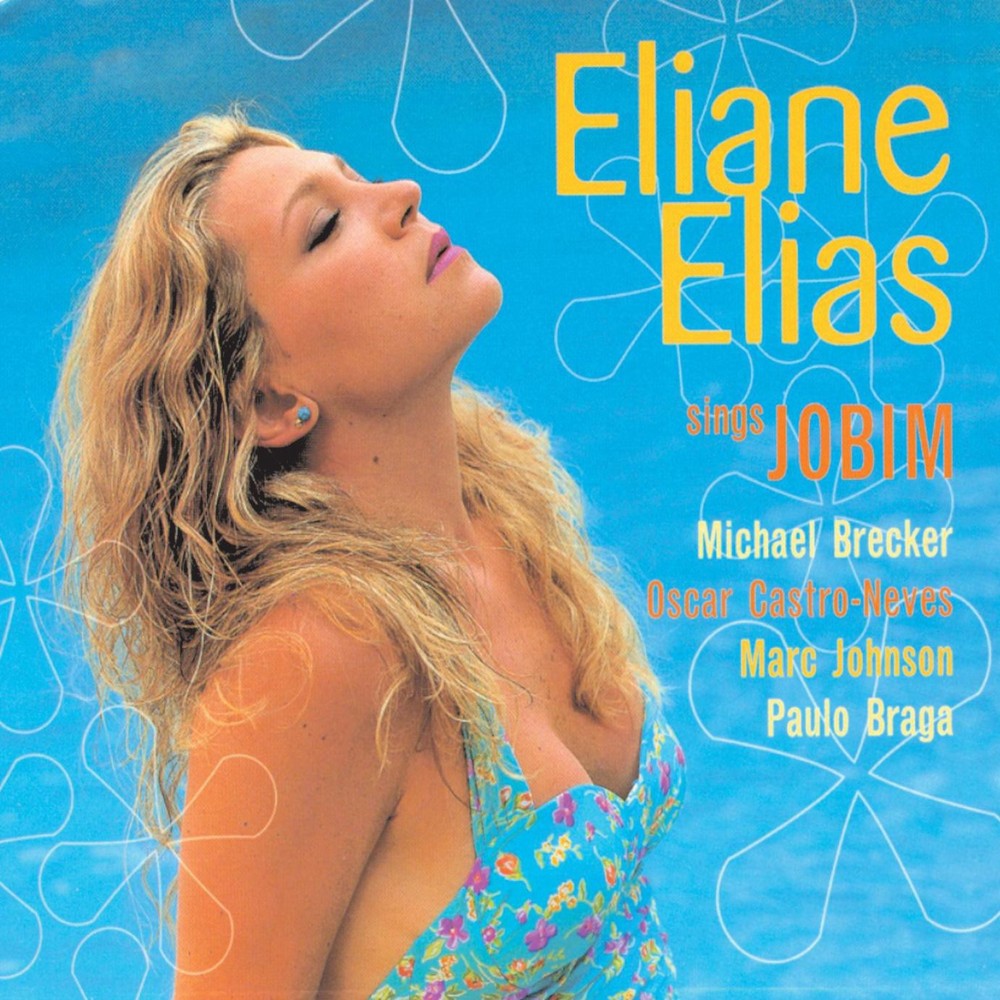
Eliane Elias's rendition of "A Felicidade" is less a straightforward celebration of joy and more a poignant meditation on its fleeting nature. The song, steeped in the melancholic beauty of bossa nova, acknowledges happiness not as a constant state, but as an ephemeral experience, as transient and delicate as a drop of dew on a flower petal or a feather carried by the wind. Elias doesn't shy away from contrasting this fleeting joy with the omnipresent reality of "Tristeza" (sadness), suggesting an understanding that happiness exists in sharp relief against a backdrop of sorrow. The lyric that juxtaposes the poor man's happiness with the "grande iluso do carnaval" is particularly striking, painting a vivid picture of fleeting escapism. Here, joy is manufactured, yearned for, and ultimately, temporary – a costume shed when reality returns on Ash Wednesday.
Yet, within this acknowledgement of transience, "A Felicidade" finds its power. Elias doesn't dismiss happiness as illusory; instead, she treats it as something precious precisely because it *is* so delicate. This is reflected in the song's gentle plea: "Falem baixo, por favor," urging the listener to protect the nascent joy found in the eyes of a loved one. It's an appeal to nurture and cherish these moments, understanding their fragility. The song's beauty lies in recognizing that happiness isn't a guarantee, but a gift to be handled with care.
Ultimately, the song's meaning emphasizes that true appreciation of "A Felicidade" comes not from chasing it relentlessly, but from recognizing its inherent fragility and protecting it with intention. Elias's interpretation, imbued with her signature sophisticated jazz sensibility, transforms a simple sentiment into a profound exploration of the human condition. It's a reminder that even amidst the ever-present "Tristeza," moments of genuine joy are worth safeguarding, like precious gems in a world that often feels determined to diminish their light.
 View Artist