Song Meaning
The lyrics paint a picture of a fragile, perhaps volatile, relationship built on a mutual promise of care. The opening and recurring refrain, "Take care of me / And I'll take care of you," establishes a clear quid pro quo, a pact for survival. This isn't just a casual offer; it's presented as a necessity, underscored by the urgent addition, "It's better when we do."
The verses introduce a stark, almost menacing natural landscape that mirrors internal anxieties. "Black ice" and a "starless sky" suggest hidden dangers and a lack of clear direction, a precarious situation where a moment's misstep can lead to disaster, like a "car spun out." The narrator acknowledges a tendency to "dislocate" and "evaporate," hinting at a history of instability or emotional detachment that makes this mutual care pact even more crucial.
There's a fascinating tension between the narrator's self-professed volatility and the external world's inherent risks. The image of windmills passing and the "coming storm" suggests an awareness of impending trouble, but also a decision to face it together. The line, "The choice was never not to stay," implies a commitment that transcends mere convenience, framing the mutual care as a deliberate, perhaps even inevitable, decision to weather whatever comes.
Ultimately, the effectiveness of these lyrics lies in their stark, unadorned depiction of mutual dependency as a survival strategy. The simple, repetitive structure of the chorus reinforces the core message, while the contrasting imagery of natural hazards and personal fragility creates a compelling emotional landscape. It’s a raw acknowledgment that sometimes, the most profound connection comes from recognizing our shared vulnerability and agreeing to hold each other steady.
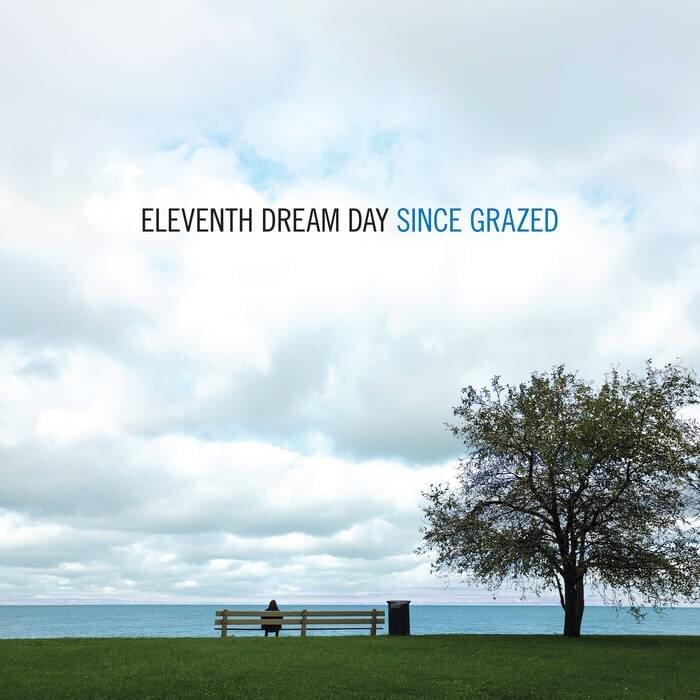
 View Artist