Song Meaning
The lyrics open with a profound sense of loss, a direct question posed to an unseen entity: "Who took my ships?" This isn't just about vessels; it immediately frames them as "my lost brave lads," establishing a deep, personal connection to these lost possessions, equating them with cherished people. The tone is one of bewildered grief, a stark contrast to the implied past when these "ships" were present and vital.
The narrative then shifts to a specific, poignant memory, suggesting a past attempt to preserve or protect something precious. The image of placing "a white cross in your hand" as a "talisman" for "some summer" implies a ritualistic act, perhaps a desperate plea or a symbolic offering. This act, however, seems to have been in vain, as the subsequent lines reveal a further depletion of resources, indicating that the efforts to hold onto what was lost were ultimately costly and unsuccessful.
The final lines reveal the ultimate sacrifice made in pursuit of this lost connection: "I ruined my gold / To sing to you, sea." This is a powerful, almost surreal image. The "gold" represents significant value, squandered not for tangible gain but for the intangible act of singing to the sea. It suggests an obsessive, perhaps even self-destructive, devotion to a memory or a lost love associated with the sea, a complete surrender of material wealth for an emotional release or a final, futile communication.
This lyrical fragment is effective because it moves from a broad, anguished question to a deeply personal, almost mythic act of sacrifice. The juxtaposition of "ships" and "brave lads," the "white cross" as a "talisman," and the "gold" spent on singing to the "sea" creates a rich tapestry of loss, devotion, and irreversible expenditure. The narrator appears consumed by a past sorrow, willing to give everything for a connection that is now only accessible through memory and a mournful song directed at the vast, indifferent ocean.
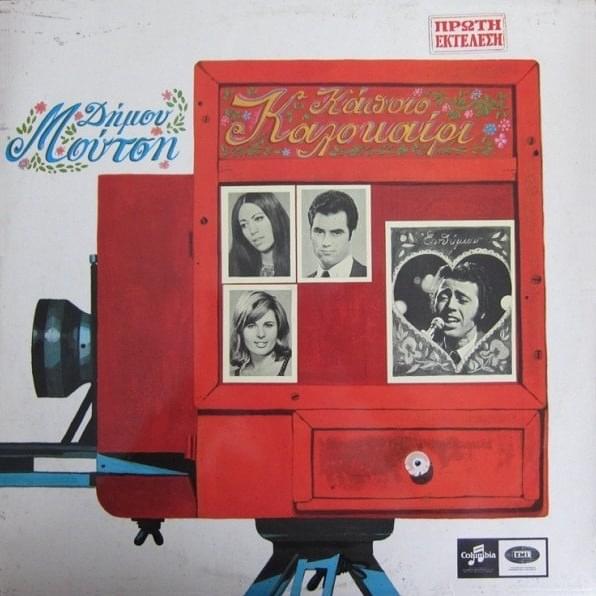
 View Artist