Song Meaning
The lyrics of "Radość" present a stark, almost unsettling vision of joy. It's not a simple, unburdened emotion, but a "great joy" found explicitly within states of constraint and struggle. The opening lines immediately establish this paradox, declaring "Joy in compulsion," setting a tone of complex, perhaps defiant, acceptance.
The central tension emerges from the verse, which paints existence as a relentless battle. "One's own day is torn from space along with the body," a visceral image suggesting a violent struggle for mere being. Success is fleeting, described as "one moment is a success in an eternal struggle," while significant action is reduced to "one movement is a tremor after years of waiting." This bleak backdrop makes the repeated insistence on "great joy" feel less like celebration and more like a hard-won, almost desperate, internal stance.
A crucial layer of nuance appears in the distinction between external and internal forces. The lyrics speak of "foreign compulsion" versus "own compulsion," and later, "foreign powerlessness" versus "own powerlessness." This suggests that the constraints aren't just external pressures; some are self-imposed or internalized. This choice to find, or perhaps impose, joy within both external and internal prisons deepens the song's psychological landscape, making the nature of this "great joy" even more ambiguous and compelling.
Ultimately, "Radość" is effective because it refuses easy answers. The mantra-like repetition of "great joy" against increasingly dark backdrops—compulsion, powerlessness, and even "joy in falling, joy in stupidity"—creates a profound sense of cognitive dissonance. It's a powerful exploration of how humans might find, or create, a form of resilience, even if it means embracing a joy that is deeply intertwined with struggle, limitation, and even failure.
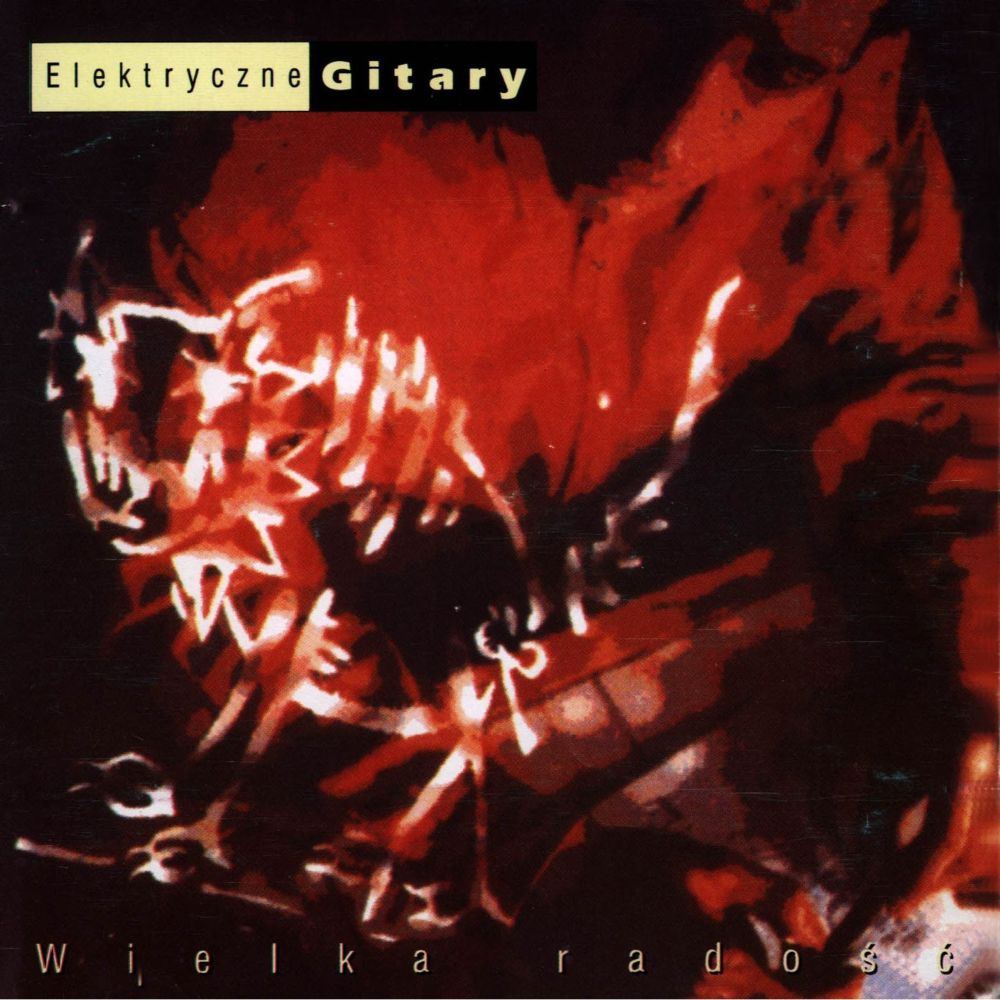
 View Artist