Song Meaning
The lyrics paint a picture of a relationship marked by absence and hardship, yet bound by an undeniable pull back to each other. The opening lines recall a time of separation and struggle, where communication was strained and financial woes loomed, suggesting a period where their connection was tested by external forces and personal difficulties. The phrase "wiadomo jak człowieka los gdzieś rzuci" (you know how fate throws a person around) sets a tone of resignation to life's unpredictable challenges.
The central tension lies in the narrator's persistent return, despite the difficulties and separations. The recurring image of returning "jak bumerang" (like a boomerang) powerfully conveys an involuntary, almost instinctual pull back to the other person, regardless of how badly they've been treated or how lost they might feel. This return is framed not as a choice, but as an inevitable outcome: "Bo do ciebie zawsze jakoś trafię" (Because I always find my way to you).
The craft here is in the stark, almost fatalistic imagery and the persistent refrain. The contrast between the narrator's poor sense of direction ("znam bardzo słabo geografię," "praktycznie nie znam się na mapie" - I know geography very poorly, I practically don't know the map) and their unerring ability to find the person highlights the emotional, rather than logical, nature of their bond. The repetition of the boomerang metaphor reinforces this sense of inescapable connection, suggesting that no matter how far they stray or how rough things get, they are destined to circle back.
This lyrical approach makes the song resonate because it captures the messy reality of deep, enduring relationships. It’s not about perfect harmony, but about the stubborn, often illogical, force that keeps two people tethered through life's inevitable storms. The writing grounds the grand idea of fate and connection in tangible, relatable struggles and a striking, memorable metaphor.
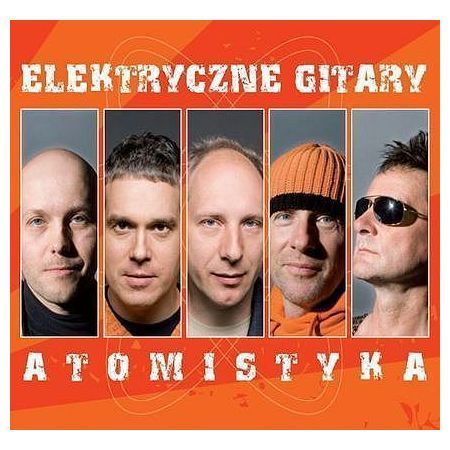
 View Artist