Song Meaning
The lyrics paint a fragmented, dreamlike picture of a child, Heinrich, addressed directly. There's a sense of isolation, with the repeated phrase "Das lied ist ohne freunde" (The song is without friends) underscoring a profound loneliness. The narrator seems to be observing Heinrich, noting his childlike nature alongside contrasting images of movement and awakening, like a "zug" (train) or "frühling wecken" (spring awakening).
The central tension lies in the juxtaposition of Heinrich's youth and vulnerability with these powerful, almost overwhelming, natural and mechanical forces. He is described as both "kind" (child) and a "zug" (train), and later as "glass," suggesting a delicate fragility that is simultaneously being propelled forward. This creates a feeling of unease, as if this child is caught in a system or a season he cannot control.
The most striking craft element is the repetition and the stark, almost childlike, imagery. Phrases like "Du bist zug" and "Du bist glass" are direct, declarative statements that build a sense of identity through external objects or actions. The "wagenrad fahren schones glass" (wagon wheel drives beautiful glass) is a particularly surreal image, merging the mundane (wagon wheel) with the precious and breakable (beautiful glass), hinting at a beautiful but precarious existence.
This lyrical approach is effective because it bypasses explicit emotional exposition, instead relying on evocative, disconnected images to create a mood. The listener is left to piece together the emotional weight of Heinrich's isolation and fragility, making the implied melancholy all the more potent. It feels like a whispered observation of a vulnerable soul adrift in a world of grand, indifferent forces.
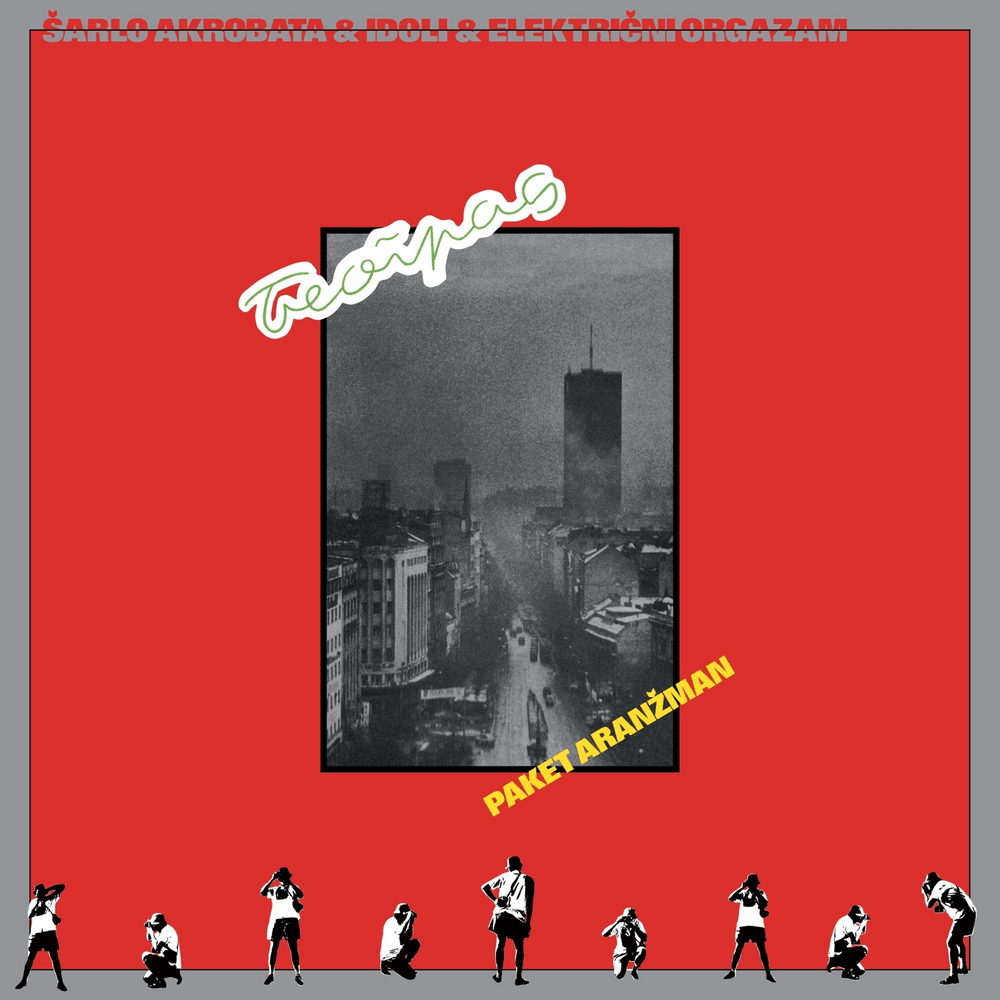
 View Artist