Song Meaning
The lyrics paint a picture of universal human experience, suggesting that everyone, "svaka žena na svetu" and "svaki dečak u gradu," engages in similar behaviors and desires. This sets a tone of shared reality, but immediately contrasts it with a personal sense of isolation. The narrator observes "sve zvezde na nebu" shining brightly, yet none fall into their hand, highlighting a yearning for something tangible and personal amidst a vast, indifferent cosmos. This creates an immediate tension between the collective and the individual.
The core of the song lies in a plea for acknowledgment and commitment. The repeated chorus, "Poljubi me i priznaj mi / Da si uvek želela / Da budeš moja devojka," is a direct demand for verbal and physical affirmation. The narrator wants a confession of long-held desire, a confirmation that this connection is not just a fleeting moment but a deeply wished-for reality. This desire is amplified by the repetition of the chorus, emphasizing its importance and the narrator's persistent hope.
There's an interesting duality presented between waking reality and the dream state. The narrator claims, "Sve ovo što želim / Sve ovo što znam / Mogu uvek da imam / Kada dođe san." This suggests that fulfillment and certainty are only attainable in sleep, a stark contrast to the unfulfilled longing experienced while awake. The introduction of "Ovaj novi glas / On sija u mraku / On je tvoj spas" feels like a beacon of hope, perhaps representing an inner truth or a guiding force that offers salvation, but its connection to the waking world remains elusive, tied to the ephemeral nature of dreams.
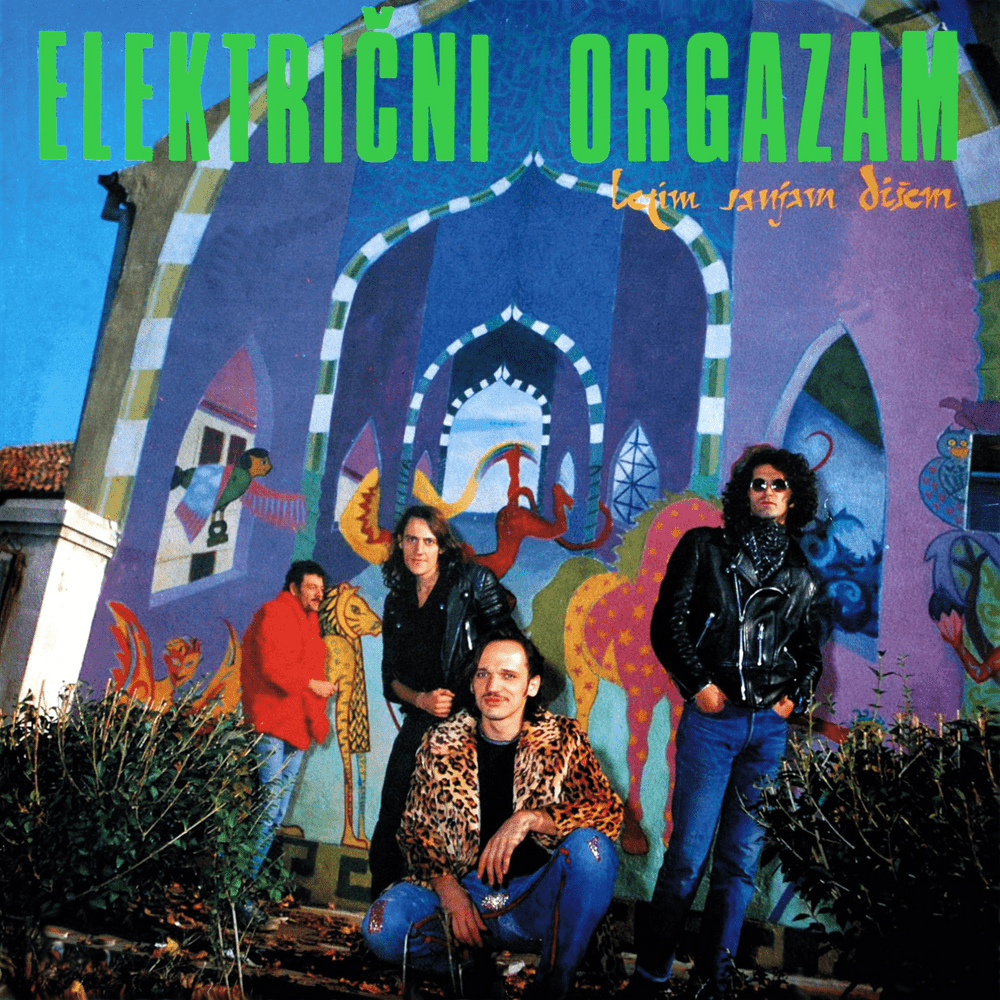
 View Artist