Song Meaning
The lyrics present a stark contrast between the narrator's own mental state and that of a "brother." The opening lines immediately establish a sense of inadequacy, with the narrator admitting their "head better thinks than mine." This isn't just a simple statement of inferiority; it suggests a deep-seated self-doubt and a comparison that feels almost adversarial. The narrator then pivots, claiming their "head better thinks for others," a phrase that could imply a selfless dedication or, perhaps more cynically, an inability to focus on their own needs.
The central tension emerges from this comparison and the narrator's subsequent claim of possessing "eight heads instead of one." This fantastical assertion seems to stem from the pressure of needing to think for more than just oneself, as implied by the question, "How many heads do you need?" The narrator appears overwhelmed, using hyperbole to express a burden of responsibility or a fractured sense of self, as if their mind is splintered into multiple, perhaps competing, entities.
The repetition of "glava" (head) is the most striking craft element, hammering home the focus on thought and mental capacity. The seemingly contradictory statements about whose head thinks better – the brother's or the narrator's for others – create a disorienting effect. This linguistic play suggests a mind struggling to define its own worth and function, caught between external judgment and internal chaos.
Ultimately, these lyrics resonate because they tap into a feeling of being mentally overloaded and inadequate. The narrator's exaggerated claim of having eight heads isn't just a quirky image; it’s a powerful, albeit indirect, expression of feeling stretched too thin, unable to keep pace with perceived expectations or their own internal demands.
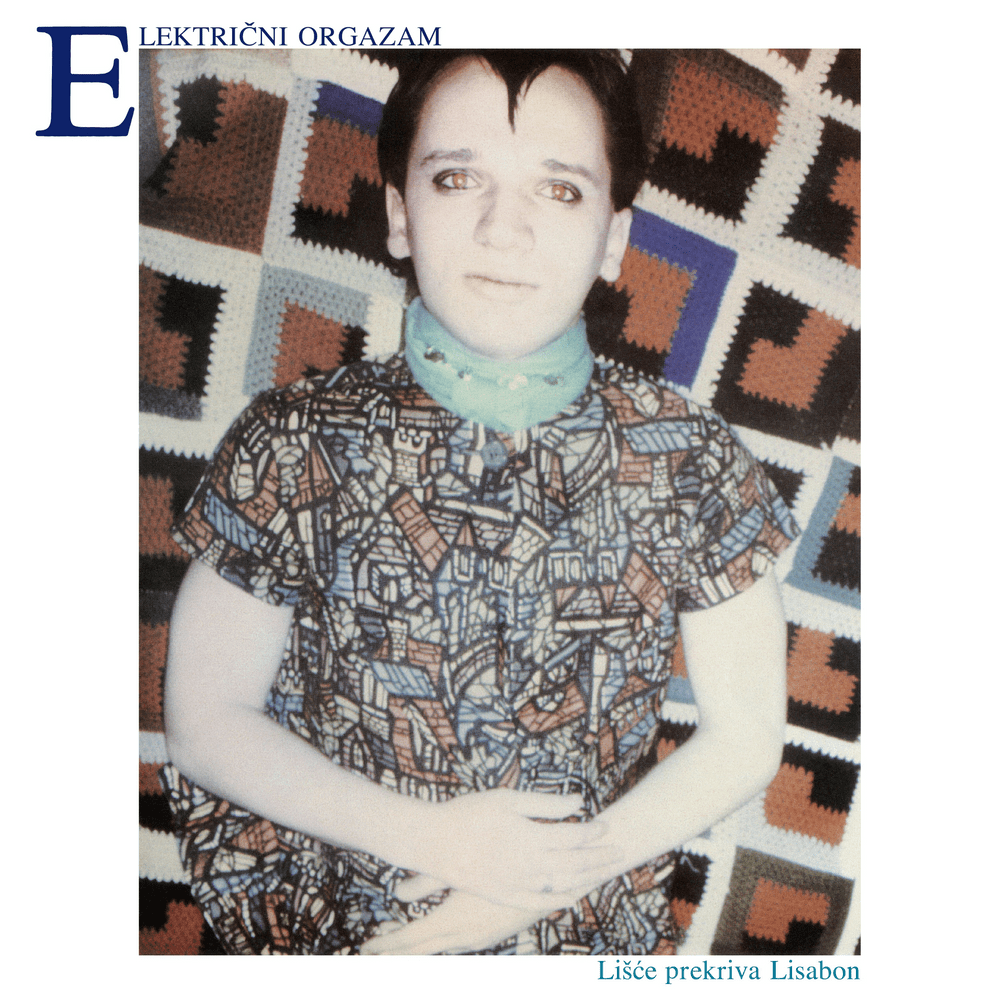
 View Artist