Song Meaning
The lyrics paint a stark picture of control and defiance, directly confronting someone who claims to reject mercy while simultaneously exhibiting behaviors that suggest a desperate need for it. The narrator questions the kneeling and self-humiliation, highlighting a fundamental contradiction in the other person's actions. This sets up a power dynamic where the narrator asserts absolute authority, dictating when the other person leaves and emphasizing their lack of agency.
The central tension lies in this paradox: the rejection of "piedad" (mercy or pity) versus the act of "arrodillas" (kneeling) and "humillándote" (humiliating oneself). The narrator finds this behavior incomprehensible, especially given the other person's apparent lack of voice or ability to complain. This suggests a deep-seated imbalance, where one party wields power while the other, despite outward displays of submission, claims to want no leniency.
The most striking aspect is the narrator's cold assertion of dominance: "La luz se apagará cuando lo mande yo" (The light will go out when I command it) and "Seré yo quien al fin mandará sobre ti" (I will be the one who finally rules over you). This isn't just about winning an argument; it's about total control over the other's existence, reducing them to someone with "no tienes voz" (no voice). The repetition of "Si no quieres piedad" underscores the narrator's bewilderment and perhaps their own refusal to offer the very thing the other person seems to be begging for through their actions.
This lyrical exchange is effective because it strips away any pretense of genuine autonomy for the person being addressed. The narrator's unwavering gaze on the contradiction—wanting no pity but acting pitiful—makes their subsequent assertion of power feel almost inevitable, a logical conclusion to the observed behavior. It leaves the listener contemplating the nature of pride, desperation, and the complex ways people navigate power imbalances, even when they claim to want out.
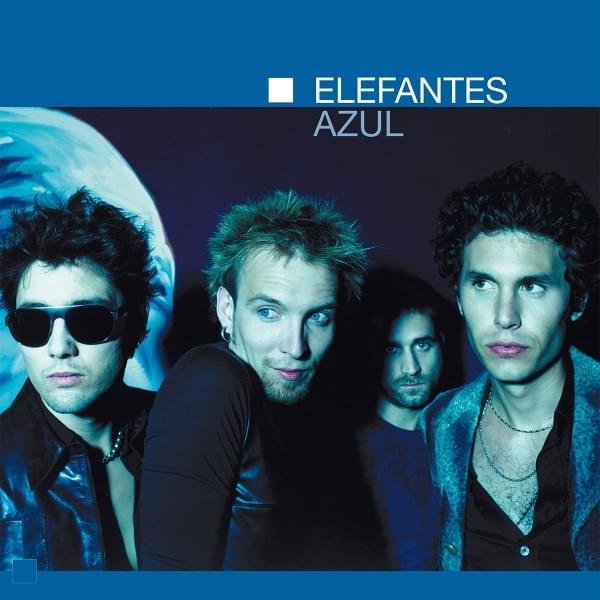
 View Artist