Song Meaning
The narrator is consumed by a powerful, almost physical longing for someone absent. The repeated phrase "me falta el aliento" (I'm out of breath) immediately establishes a tone of overwhelming emotion, suggesting that the mere thought or feeling of the person is enough to steal their breath away. This isn't just sadness; it's a visceral reaction, a loss of control that makes the soul "escape" as inner peace deteriorates. The lyrics paint a picture of someone caught in a storm of their own making, where the absence of the loved one is a constant, suffocating presence.
The central tension lies in the narrator's struggle against their own feelings and the reality of separation. They "don't want to cry but I am crying," a stark admission of helplessness against an emotional tide. This internal conflict is mirrored in the desire to "refuse to wait" while simultaneously "waiting." The lyrics suggest a profound difficulty in accepting the person's permanent departure, highlighting the painful paradox of wanting to move on but being unable to let go.
The imagery of "much water must fall" to bring the person back is particularly striking. It implies a cleansing or a significant event needed to bridge the gap of separation, but it also carries a sense of futility, as the narrator admits, "it's hard to accept you're not going to come." The writing effectively uses this natural imagery to underscore the magnitude of the emotional distance. The idea that "even though I want to flee, you will always be by my side" further complicates the emotional landscape, suggesting the person's presence is now an internal one, an inescapable memory that haunts the narrator.
What makes these lyrics resonate is their raw, unvarnished portrayal of heartbreak. The directness of the emotional confessions, like "I have to tell you that I'm still in love," bypasses metaphor to hit with immediate impact. The narrator's breathlessness, their involuntary tears, and their paradoxical waiting all combine to create a portrait of someone utterly undone by love and loss. The writing doesn't shy away from the painful reality of lingering feelings, making the narrator's plight feel intensely personal and deeply felt.
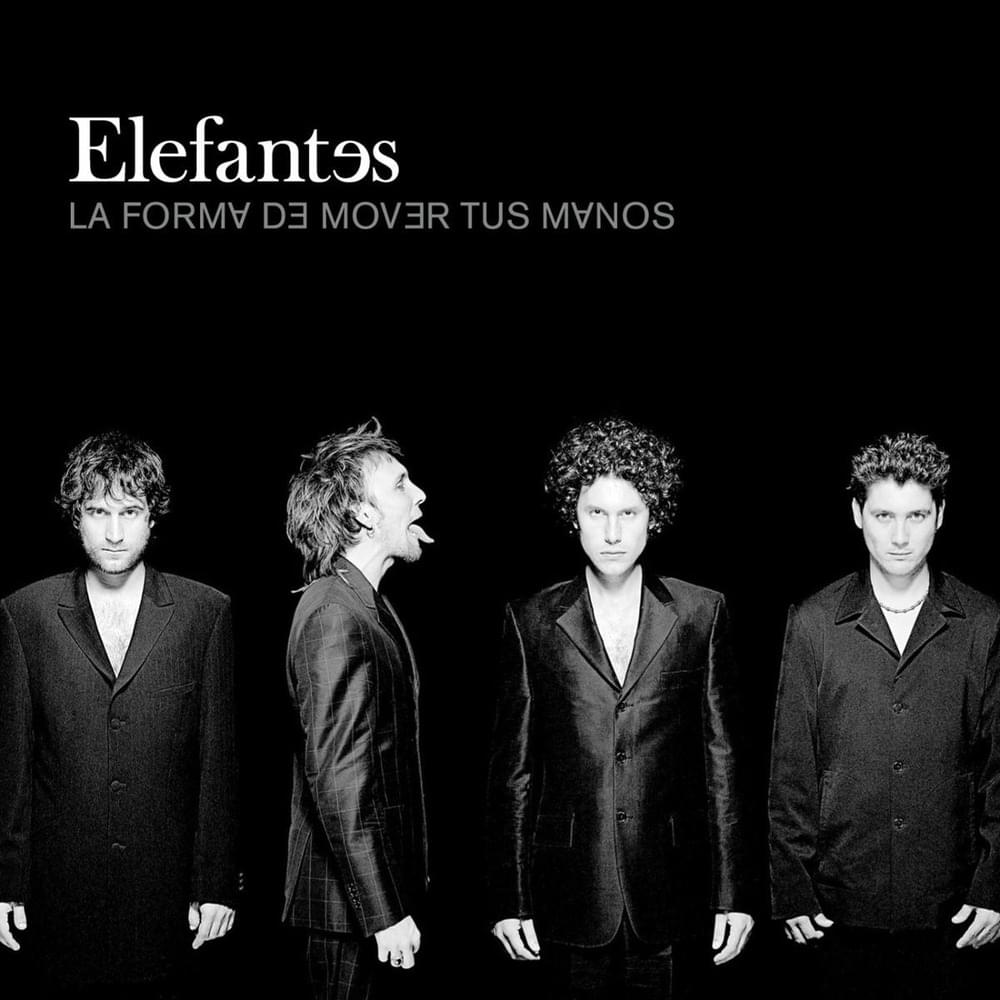
 View Artist