Song Meaning
This short piece paints a picture of a fleeting, almost elusive 'Luz' – light. It’s a presence that arrives and departs, teaching a curious lesson: how to 'despistar' (misdirect or evade) the fear that comes from 'poca fe' (little faith). The light doesn't banish fear directly, but rather shows a way around it, suggesting a subtle, almost playful approach to inner turmoil.
The central tension lies in the duality of this light. It's both a force that illuminates truth and something that teaches evasion. This paradox is amplified by its location: 'tumbada en el sofá / De mi imaginación'. The light isn't external or grand; it resides within the narrator's own mind, a simple, perhaps even lazy, comfort found in imagination. It’s a truth discovered not through struggle, but through a relaxed, internal space.
The most striking aspect is how the lyrics personify 'Luz' as a teacher of misdirection. This isn't a blinding revelation, but a gentle guide. The phrase 'que viene y que se va' emphasizes its transient nature, making its lessons more precious. The light's ability to teach evasion, rather than confrontation, speaks to a specific kind of wisdom – one that understands the power of perspective and internal landscape.
Ultimately, the effectiveness of these lyrics comes from their quiet, introspective tone. The 'Luz' is not a dramatic savior but an intimate companion within the narrator's imagination. This internal, almost mundane setting for profound insight – learning to navigate fear through imaginative misdirection – makes the concept resonate on a personal, understated level.
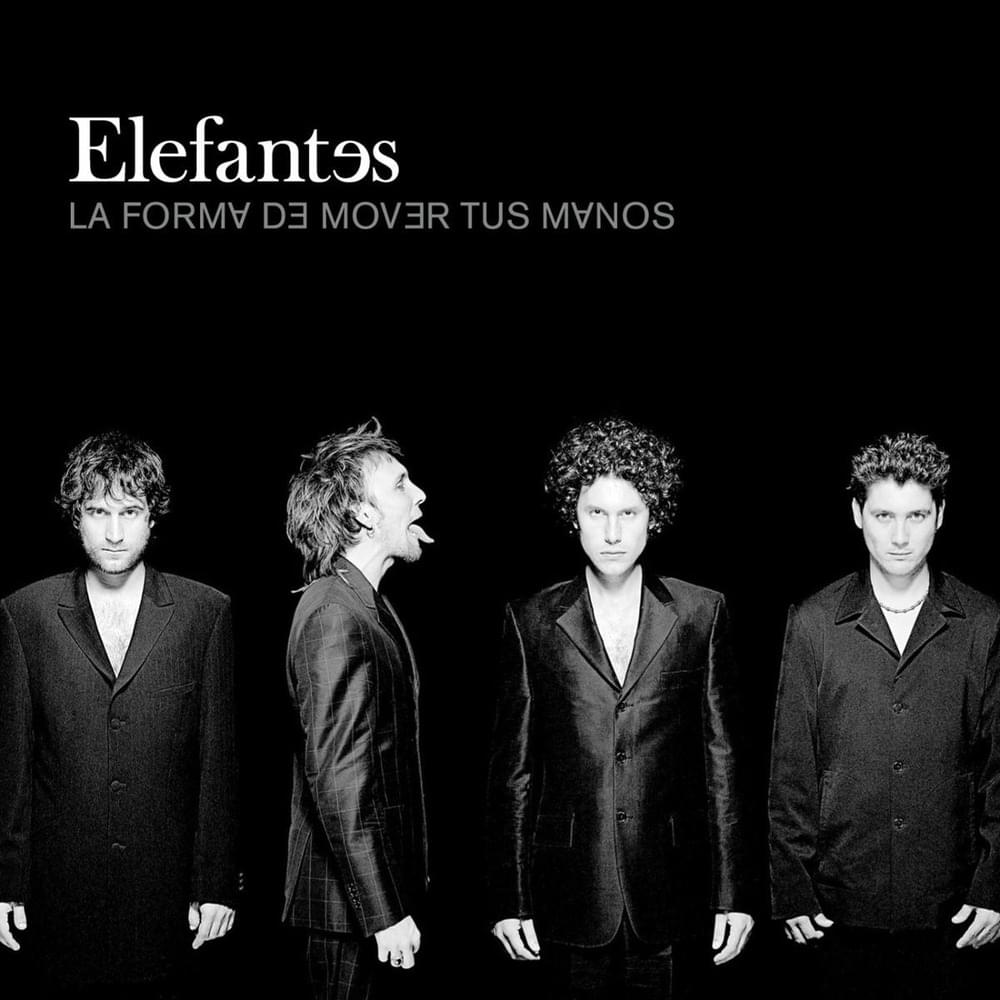
 View Artist