Song Meaning
The lyrics paint a picture of a detached, almost clinical observation of a relationship's end and the subsequent mundane existence. The opening lines, "Bien sûr, vous pouvez me quitter / Ce n'est rien pour vous," establish a tone of resigned acceptance, suggesting a power dynamic where the speaker's feelings are secondary. The jarring comparison of beauty to "la syphilis" and the question, "Quelle peur préférez-vous?" inject a dark, almost nihilistic edge, hinting that even perceived positives are tainted or lead to undesirable outcomes.
This leads to the core of the narrator's current state: profound loneliness and a monotonous routine. The repeated phrase "couci-couça" (so-so) becomes the anthem for this uninspired existence, a verbal shrug that encapsulates a lack of strong emotion or engagement. The stark description of daily life – "Métro, bureau, maison: / Ce n'est pas intéressant" – underscores a feeling of being trapped in a cycle devoid of meaning or excitement. This isn't a dramatic breakdown, but a quiet, persistent ennui.
The most striking element is the juxtaposition of grand, almost existential waiting with utter personal stagnation. The narrator dismisses the idea of waiting for a higher power or a significant event, referencing "En attendant Godot" but stating, "Mais pour moi, il n'existe pas." This rejection of external hope or purpose, combined with the uninteresting daily grind, solidifies the "couci-couça" sentiment. It's a deliberate choice to exist in a state of perpetual mediocrity, finding a strange, albeit bleak, comfort in its predictability.
Ultimately, the effectiveness of these lyrics lies in their unflinching portrayal of emotional neutrality as a response to perceived betrayal or emptiness. The narrator doesn't rage or weep; they simply acknowledge the departure and then describe their own state of being as "so-so." This understated delivery, punctuated by the recurring, almost dismissive "couci-couça," creates a powerful sense of quiet desperation and the unsettling realization that for some, the absence of strong feeling is the most profound feeling of all.
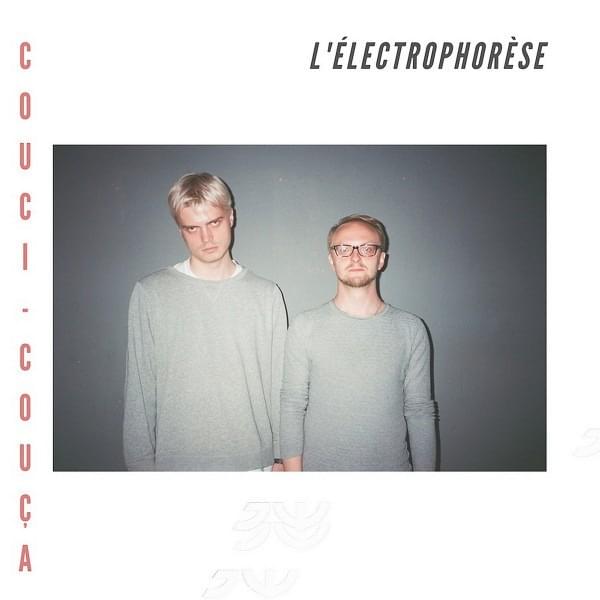
 View Artist