Song Meaning
The lyrics paint a picture of a woman, the "Queen of the Crimson Nile," who deals in illusions and escapism. She peddles "imaginary fortunes" and "imaginary hearts," suggesting a life built on fantasy or perhaps deceit. The narrator, captivated, repeatedly asks to be taken back to her, specifically mentioning Amsterdam, a place associated with altered states and indulgence. This desire to return highlights a deep yearning for the intoxicating, albeit artificial, reality she offers.
The central tension lies between the narrator's fascination with this queen and her bleak pronouncements about the world. While she declares "the world's too untogether" and "we'll never make it through," the narrator rejects this fatalism, asserting "It sure as hell ain't mine." This contrast sets up a dynamic where the narrator is drawn to the queen's world of illusion as an escape from a harsh reality, even as he disagrees with her ultimate despair.
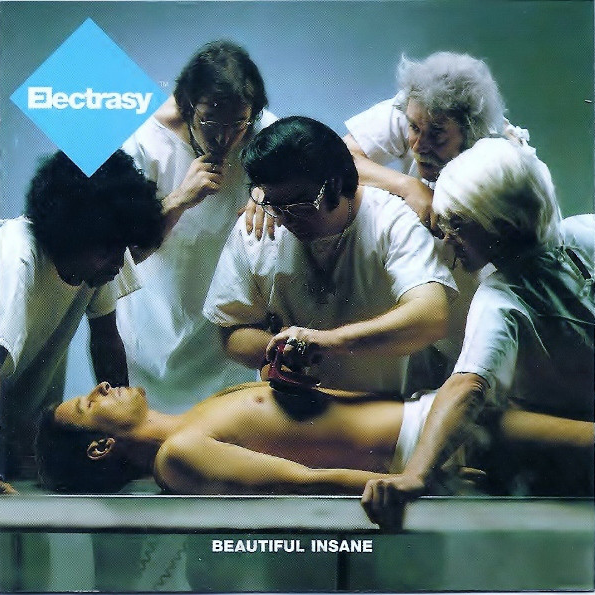
The recurring phrase "Take me back to Amsterdam" acts as a potent refrain, anchoring the desire for escape to a specific, evocative location. Amsterdam, in this context, becomes a metaphor for a place where one can "blow my mind" or "lay me out a line," signifying a willingness to embrace altered perceptions and intense experiences. The queen herself is described as "beautiful insane," a duality that perfectly encapsulates the alluring yet potentially destructive nature of the escape she represents.
Ultimately, the lyrics resonate because they capture the universal human impulse to seek refuge from a difficult world in fantasy or altered states. The queen, with her "vision and a rose," offers a seductive, albeit temporary, reprieve. The narrator's insistence on returning, despite acknowledging the queen's despair, reveals a complex relationship with escapism – a desire to ride the "roller coaster once again," even knowing its inherent risks.
 View Artist