Song Meaning
The narrator seeks an escape from reality, finding temporary solace in a self-created "Garden of Eden" where thought is absent and peace reigns. This state, however, is not effortless; it demands significant energy to maintain, hinting at an underlying struggle beneath the surface calm. The lyrics suggest a deliberate process of self-deception or detachment, where stillness and a metaphorical "killing" of external concerns pave the way for a perceived ascension to power, aiming to become "the King."
The central tension arises from the narrator's assertion of self-sufficiency and control versus the profound existential question they face. They claim not to need saving and that others obey them, painting a picture of absolute autonomy. Yet, this is immediately juxtaposed with the ultimate choice: "To be or not to be God." This grand, almost absurd, decision highlights a deep internal conflict, questioning whether this self-imposed divinity is genuine or a desperate illusion.
The most striking craft element is the direct invocation of Hamlet's famous dilemma, reframed as a divine choice. The lyrics twist "To be or not to be" from a question of existence into a question of godhood. This elevates the personal struggle to a cosmic scale, while the repetition of "Maybe it is too easy" and "Maybe I'm busy" undercuts the grandeur, suggesting a potential hollowness or rationalization behind the narrator's grand pronouncements and their desire to "be God."
Ultimately, these lyrics resonate because they capture the intoxicating allure of absolute control and the profound anxiety that accompanies such ambition. The narrator's journey, from seeking simple escape to contemplating godhood, is a powerful, albeit unsettling, exploration of ego and the fear of true self-knowledge. The final lines, questioning if the answer will ever be found, leave the listener with the lingering doubt about whether this "God" is a realized state or a perpetual, unanswerable question.
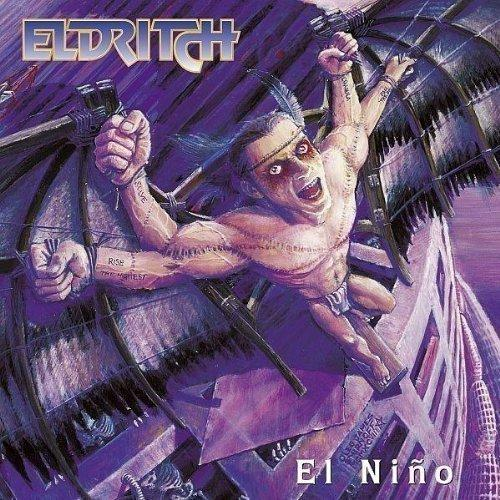
 View Artist