Song Meaning
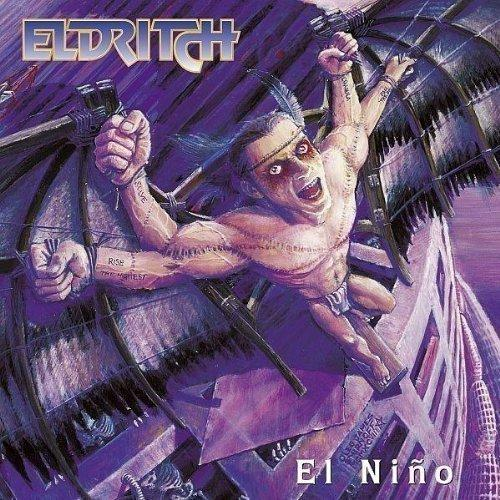
The lyrics paint a stark picture of precariousness and impending doom. The narrator is caught in a moment of intense vulnerability, facing an overwhelming descent. Images like "ravines in front of my eyes" and a "narrow unsteady suspended line" immediately establish a sense of being trapped and on the brink of collapse. The dominant tone is one of anxious resignation, a feeling amplified by the narrator's passive observation of their own deterioration. It's a landscape defined by instability, where even the ground beneath feels like a fragile, buzzing "hive."
The central tension lies between the desperate search for an upward path and the overwhelming force pulling the narrator down. The "gambler" figure, acting with "hazy hesitations," suggests a reckless leap into the unknown, a choice made under duress. This contrasts with the narrator's own "shaking" tread, a physical manifestation of fear and the "vulture warning" of inevitable consequence. The repeated phrase "THERE'S A TWILIGHT ABOVE THIS ENTRY WAY" acts as a grim beacon, signaling not hope, but the finality of a fading light before darkness descends.
The writing effectively uses sensory details to convey psychological distress. The "rustle and fog" that "wrap my wire" create a claustrophobic atmosphere, blurring the lines between the external environment and the narrator's internal state. The "sweet painful trails" that "remind" suggest a history of similar struggles, where past experiences, though agonizing, are now the only anchors. This juxtaposition of sweetness and pain highlights a complex relationship with suffering, perhaps indicating a grudging acceptance or even a perverse comfort found in familiar despair.
Ultimately, the lyrics resonate because they capture a raw, visceral experience of losing control. The "mirthless epilogue" and the narrator's fingers subsiding "lose control" speak to a surrender that feels both inevitable and deeply unsettling. The capitalization of the repeated lines injects a desperate urgency, a final, almost involuntary cry against the encroaching end. It's this unflinching portrayal of a personal collapse, rendered through sharp, unsettling imagery, that gives the piece its potent emotional weight.
 View Artist