Song Meaning
This track kicks off with an insistent, almost playful invitation to move forward, to get going. The repeated "Quer ir mais eu, vamo" and "vambora" create a sense of urgency and shared momentum. It’s a call to action, a desire to accelerate past hesitation and dive headfirst into whatever comes next. The immediate dismissal of potential rain, "Deixa a roupa na corda / Que não vai chover agora," underscores this eagerness to seize the moment, rejecting minor inconveniences as reasons to delay.
The core tension here seems to be between an impulse to act and a subtle undercurrent of caution or perhaps a desire to maintain control. While the narrator is pushing to "vambora, vambora, sem demora," there's a quick pivot to a contingency plan: "Mas se você quiser ficar / Eu vou ali, vou ali e volto já." This suggests a willingness to accommodate, but the phrase "vou ali, vou ali e volto já" feels a bit like a stalling tactic or a way to keep options open without fully committing to stopping.
The most interesting craft element is the juxtaposition of bold forward motion with meticulous, almost anxious, preparation. The readiness to leave clothes on the line implies a carefree attitude towards the immediate future, but then the narrator adds, "Mas pelo sim, pelo sim, pelo não / Deixa na geladeira água tônica e limão." This detailed instruction for a potential pause – stocking the fridge with tonic and lime – reveals a mind that’s not just about impulse, but also about ensuring comfort and readiness, even for an unexpected delay.
Ultimately, the lyrics hit hard because they capture that very human push-and-pull between wanting to seize the day and the ingrained habit of hedging bets. The simple, repetitive calls to action are infectious, but the specific, almost mundane details of preparation add a layer of relatable complexity. It’s the sound of someone eager to start a party but also making sure the ice is ready, just in case.
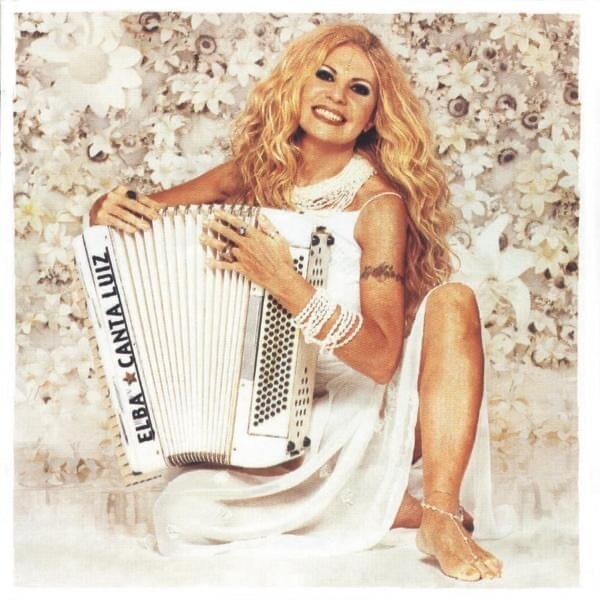
 View Artist