Song Meaning
This track paints a picture of an all-consuming, almost reckless love. The narrator is utterly captivated, declaring, "Comigo você faz amor / Contigo é pra enlouquecer." This isn't a gentle affection; it's a passionate, overwhelming force that makes them "Fico cega de paixão." The intensity is so apparent it's "Dá pra todo mundo ver," suggesting a public spectacle of their devotion.
The central tension lies in the paradoxical willingness to endure pain for this love. The repeated plea, "Pisa no meu coração / Meu amor não vai doer," is striking. It implies a masochistic surrender, where the narrator invites hurt, believing their love is so strong it will negate any suffering. This is further emphasized by the willingness to do anything, at any time: "Se você quer eu faço demanhã / Faço ao anoitecer." The love is presented as a force that can even "Faço até chover," highlighting its dramatic, almost supernatural power.
The most compelling aspect is the defiant framing of potential harm as harmless. The act of being trampled on, "Pisa no meu coração," is explicitly stated to "não vai doer." This isn't denial; it's a redefinition of pain within the context of this specific relationship. The shift towards a playful, almost childlike tone with "Hoje é brincadeira" and the curious "Que gosto tem você" suggests that the narrator is actively choosing to interpret even negative experiences through a lens of pleasure and discovery, making the love feel like an exhilarating game.
Ultimately, the lyrics resonate because they capture the dizzying, irrational heights of infatuation. The narrator’s unwavering commitment, even to the point of embracing potential hurt, creates a potent emotional landscape. It’s this willingness to redefine pain and elevate the relationship to an almost magical plane that makes the intense devotion feel so compelling and unique.
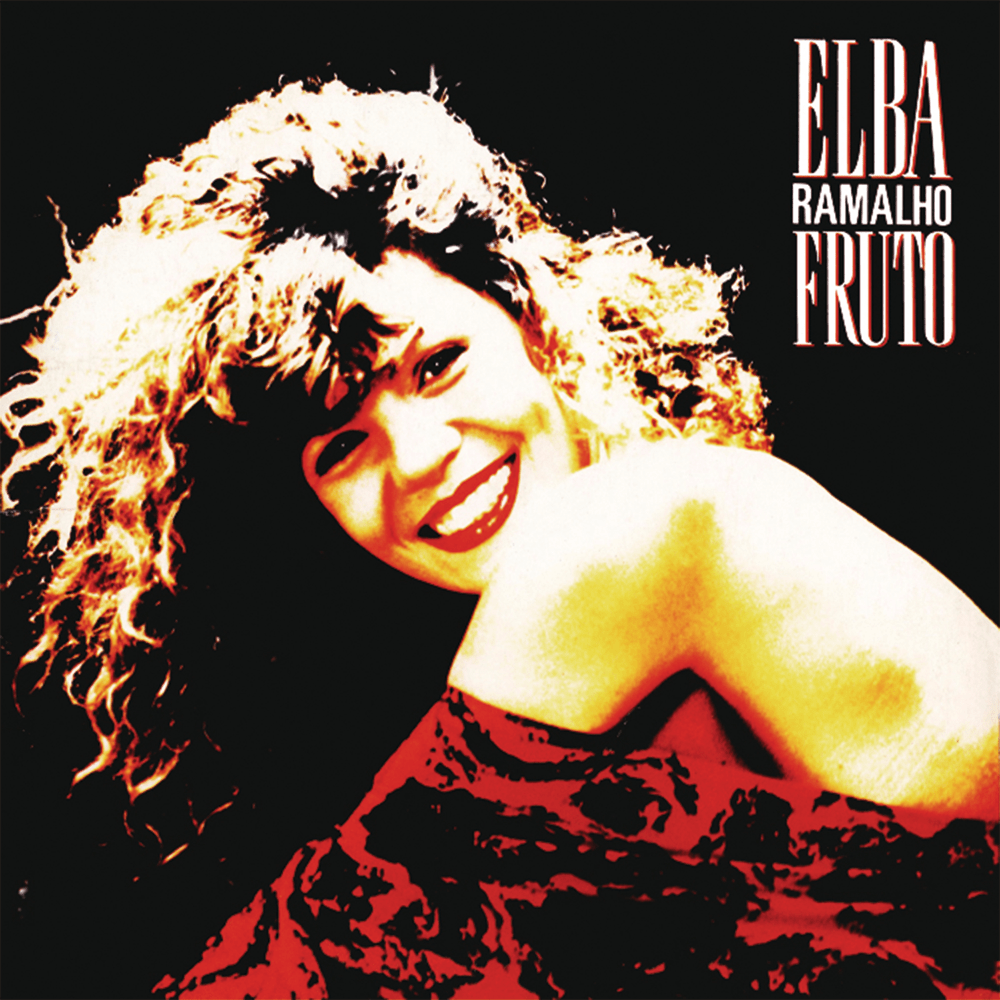
 View Artist