Song Meaning
The lyrics paint a vibrant picture of a samba gathering, initiated by a question: "O que vem fazer aqui meu irmão?" (What are you doing here, my brother?). The immediate response, "Vim sambar" (I came to samba), sets the stage for communal participation. The invitation "Entra na corrente" (Enter the current) calls for a holistic engagement, uniting "Corpo, mente, Coração, pulmão" (Body, mind, Heart, lung) in a shared "viagem" (journey) powered by "energia-som" (sound-energy).
The energy described is almost supernatural, having "atravessou raio e trovão" (crossed lightning and thunder) to arrive at the samba. This mystical quality deepens with the mention of "negada do Harlem" (the Harlem crew) and even "Jesus Cristo" (Jesus Christ) joining in. The return from this trance is marked by the "sino de Belém" (bell of Bethlehem), connecting the samba experience to religious pilgrimage and procession, emphasizing that "samba também" (samba too) is a sacred act. The line "E quem tá comigo, tá com o povo do além" (And whoever is with me, is with the people from beyond) explicitly links the dancers to ancestral or spiritual realms.
A fascinating shift occurs with the imagery of "um olho d'água" (a spring of water) and "um sorriso de marfim" (an ivory smile), suggesting a source of purity and beauty. The transformation into a "preto velho" (old black person) to samba with the group introduces ancestral spirits into the dance. This figure is depicted with powerful, earthy actions: "Preta velha bate o pé, bate colhé levanta pó" (Old black woman stomps her foot, beats the harvest, raises dust). The final lines reveal the source of this power: "Pois tá com axá da velha negra pra sua avó" (Because she has the axé of the old black woman for your grandmother), grounding the spiritual energy in lineage and inherited strength.
This lyrical tapestry is effective because it seamlessly blends the earthly joy of samba with profound spiritual and ancestral connections. The language evokes a sense of deep, inherited rhythm and a collective experience that transcends the physical. The repeated "Odilê, Odilá" acts as a chant, a grounding mantra that holds together the disparate elements of the gathering, from the immediate invitation to dance to the invocation of spirits and ancestral wisdom.
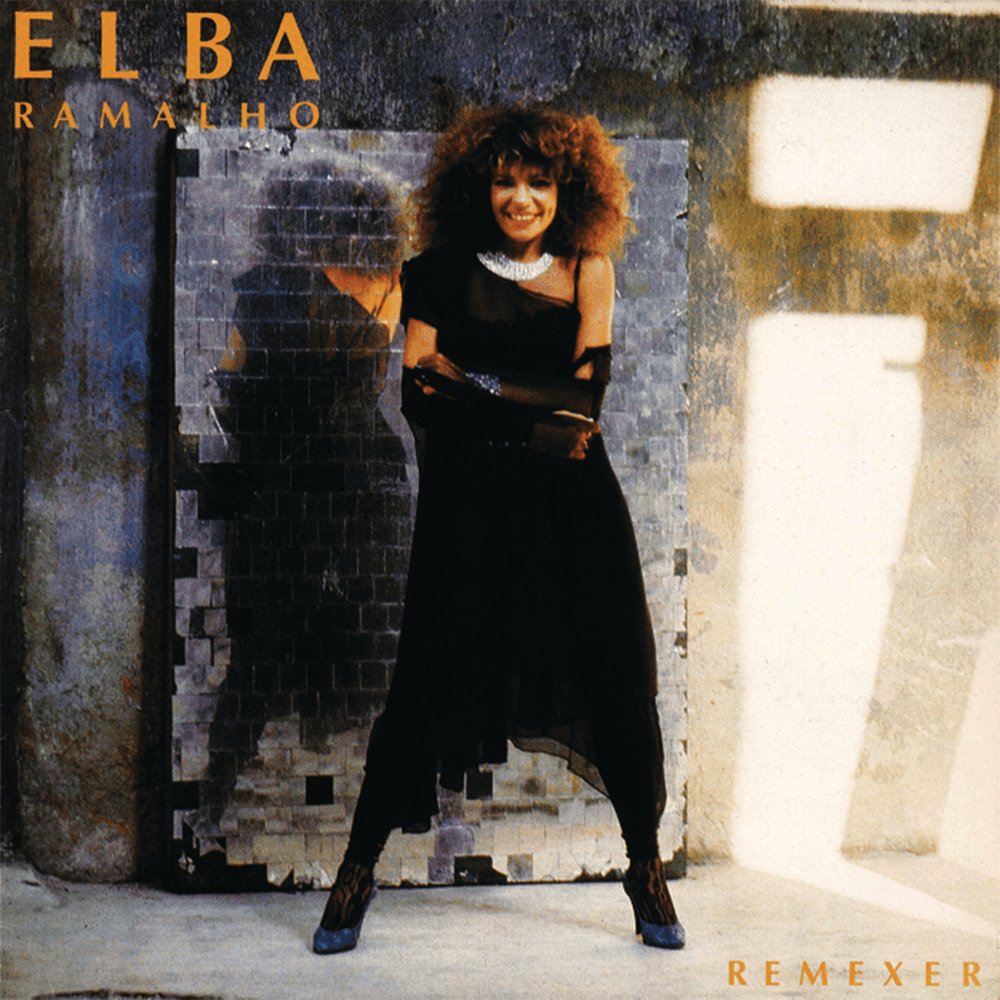
 View Artist