Song Meaning
The lyrics paint a picture of a narrator deeply unsettled by the cry of an ema, a large bird, which he interprets as a dire omen. This sound, echoing from a juremar tree, immediately triggers a profound sadness and a fear that his romantic relationship is in jeopardy. The narrator’s anxiety is palpable as he connects the bird's mournful sound to a harbinger of bad luck, specifically within the context of his love.
The central tension arises from the narrator's superstitious dread versus his desperate plea for reassurance. He believes the ema's song carries "a bocado de azar" (a bit of bad luck), and this belief directly fuels his fear that "nosso amor... Vai se acabar" (our love... is going to end). The repetition of "muito cedo" (too soon) emphasizes his feeling that their relationship is being cut short prematurely, amplifying his distress.
The most striking element is the personification of the ema's cry as a direct message about his love life. The narrator projects his own insecurities onto the natural world, transforming a bird's call into a prophecy of romantic doom. This is further underscored by his desperate, almost ritualistic, request for a kiss: "Dá um beijo, dá um beijo / Pra esse medo / Se acabar" (Give a kiss, give a kiss / For this fear / To end), seeking a tangible act to dispel the intangible dread.
This lyrical construction is effective because it grounds abstract fears in a concrete, albeit superstitious, image. The narrator’s vulnerability is laid bare through his reliance on this omen and his urgent need for physical affection to counteract it. The simple, repetitive pleas for a kiss highlight the raw emotional core of the song: a fear of loss so intense it requires an immediate, physical antidote to silence the ominous natural world.
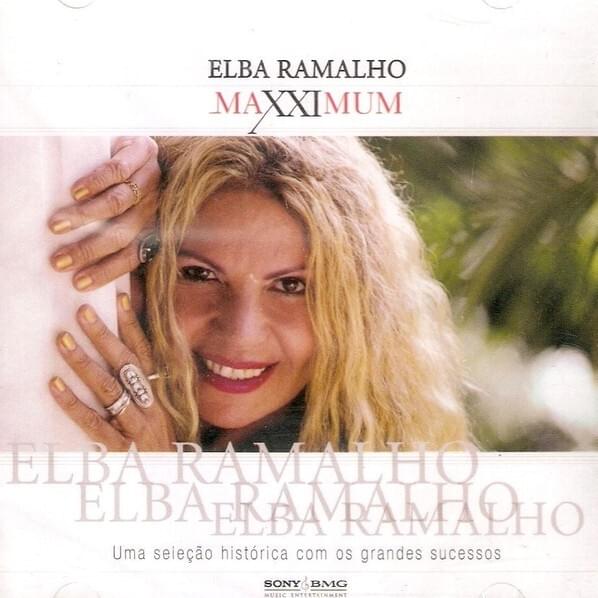
 View Artist