Song Meaning
This tune paints a picture of a deeply intimate dance, set in a humble, unfinished room. The narrator finds joy in the simple act of dancing with their beloved, a moment so precious that any amount of time feels insufficient. The dominant feeling is one of profound contentment and private affection, unfolding in a space that's literally and figuratively unadorned.
The core tension arises from the contrast between the narrator's ecstatic private world and the external reality that threatens to interrupt it. The narrator confesses their "sofrer" (suffering) to their partner during the dance, a vulnerability seemingly unnoticed by others, suggesting a hidden depth to their connection. This private communication fuels their growing love, highlighting a desire for their shared experience to remain secret and unburdened by outside observation.
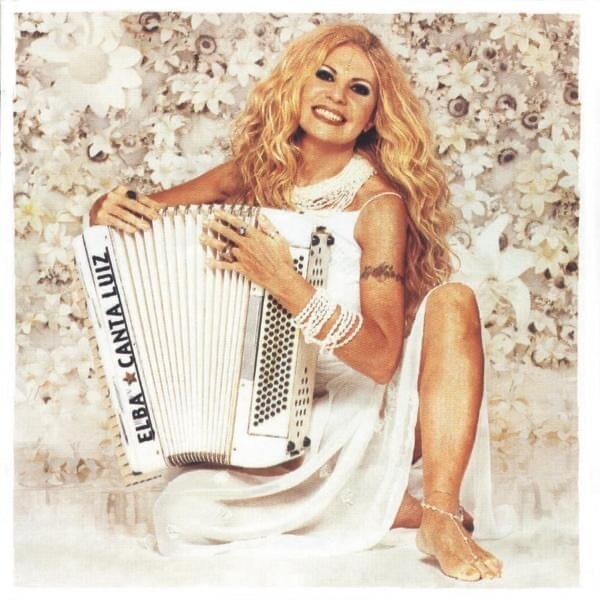
The lyrics cleverly use the "fole" (bellows of an accordion) as a sonic backdrop that "tá tocando, tá gemendo" (is playing, is moaning). This personification of the instrument mirrors the narrator's own "sofrer" and the emotional intensity of the dance, creating a unified mood. The desire to "acabar separação" (end separation) and live "igualado a sanguessuga" (like a leech, implying inseparable closeness) reveals a yearning for absolute union, a wish to escape the limitations of their current situation.
What makes these lyrics so effective is their ability to capture a potent, almost defiant intimacy within a mundane setting. The narrator's fervent wish for their love to "pede mais fuga / Do que essa que nos dão" (asks for more escape than what they give us) speaks to a universal desire for a love that transcends ordinary boundaries and limitations. The simple, direct language makes the emotional weight of this private moment palpable, resonating with anyone who has found profound connection in unexpected places.
 View Artist