Song Meaning
The narrator confesses to disrespecting boundaries and taking things for granted, admitting "Eu pequei" (I sinned). There's a clear sense of regret and a desire for reconciliation, as they state "E eu voltei" (And I returned) with "malas prontas" (packed bags), ready to leave if not welcomed back. The plea "Me perdoa amor" (Forgive me, love) underscores the central emotional plea.
The core tension arises from the narrator's past actions versus their present desire to return and be forgiven. They acknowledge their mistakes, like not respecting "teus espaços" (your spaces), but also highlight a newfound appreciation for the relationship, suggesting that life's experiences have led them back. This return is conditional; they are prepared to "seguir andando" (keep walking) if their love isn't reciprocated.
A striking element is the contrast between the narrator's past reckless behavior and their current, perhaps more mature, perspective. They describe acting "completamente louca" (completely crazy) and "da pior maneira" (in the worst way), yet this chaotic phase seems to have led to a moment of clarity where "a saudade acerta" (longing hits). This realization fuels their return, framing their mistakes as a harsh but effective lesson.
This lyrical approach is effective because it grounds the plea for forgiveness in specific admissions of fault and a clear narrative arc of leaving and returning. The narrator doesn't shy away from their errors, making the eventual expression of longing and the desire for a second chance feel earned. The simple, direct language amplifies the raw emotion of regret and hope.
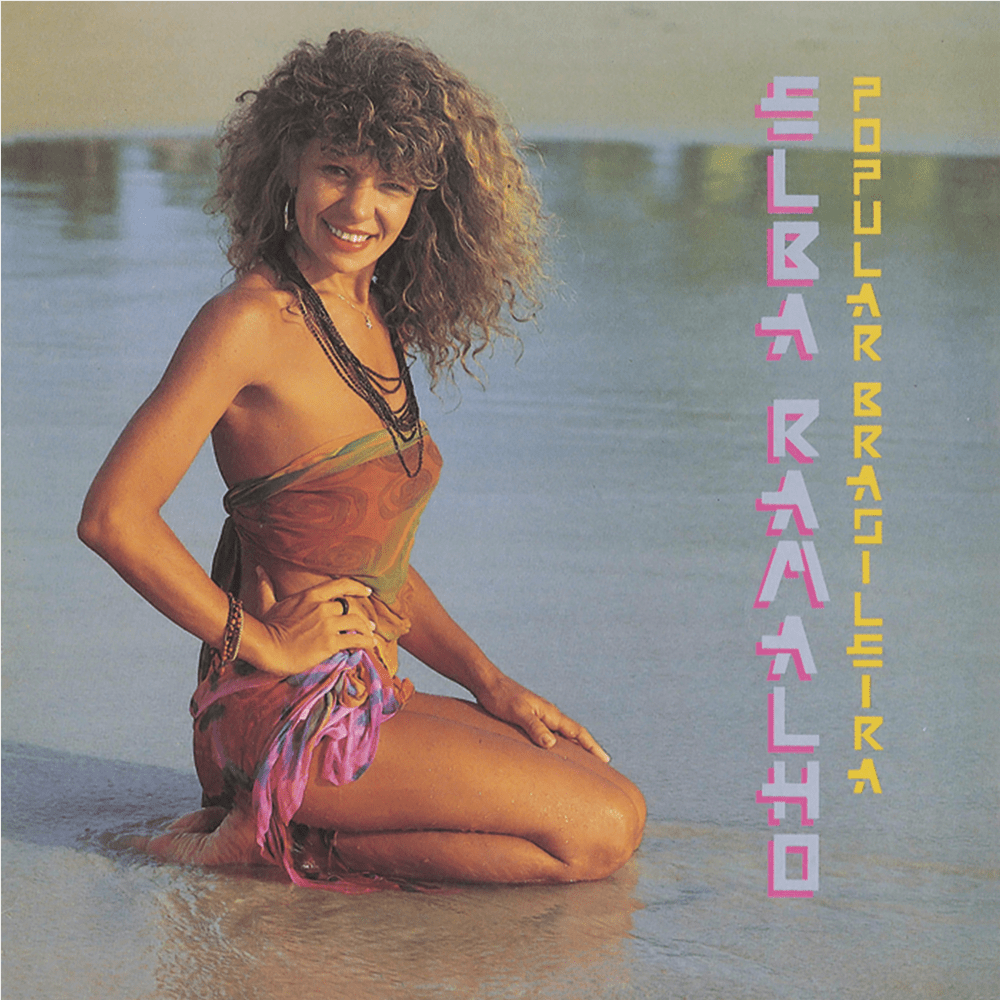
 View Artist