Song Meaning
The lyrics paint a vibrant picture of Brazilian culture, equating its unique 'ginga' – a fluid, rhythmic movement – with a heavenly experience. This 'ginga' is presented as an intrinsic part of the people, a force that moves through daily life and celebrations, from the bustling daytime markets to nighttime beach gatherings filled with 'ciranda and amor.' The repetition of 'É o céu' (It's heaven) immediately establishes a tone of pure joy and exaltation.
The core of the song celebrates the 'raça brasileira' (Brazilian race) and the 'ginga that we have already mixed.' This highlights a sense of collective identity forged through a rich history of cultural blending. The narrator explicitly states they will join 'nessa dança do povo' (in this dance of the people), indicating a deep connection and embrace of this shared cultural expression. It's a celebration of unity found in movement and shared experience.
The lyrics masterfully use specific cultural touchstones to embody this 'ginga.' From the 'balanço da rede' (sway of the hammock) to 'samba no pé' (samba in the feet), and mentioning figures like Gilberto Gil, the song grounds its abstract celebration in concrete, evocative imagery. The repeated, almost chanted, affirmations of 'é ela' (it's her/it) when listing these elements suggest that the 'ginga' itself is a personified, powerful feminine force, embodying the spirit of Brazil.
Ultimately, these lyrics resonate because they capture an infectious, almost spiritual, sense of belonging and pride. The 'ginga' is not just a dance; it's the very essence of a people, a fluid, joyful force that unites them. The writing makes the intangible feeling of cultural pride tangible through rhythmic descriptions and a cascade of beloved Brazilian references, making the listener feel the exhilaration of this collective spirit.
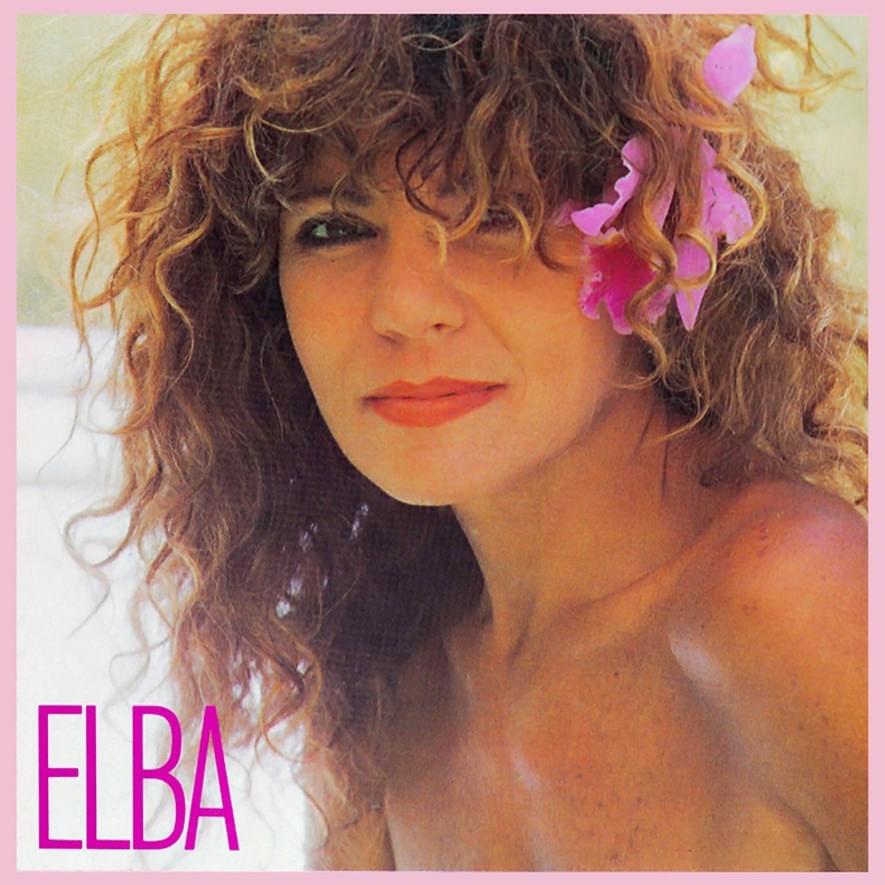
 View Artist