Song Meaning
The lyrics paint a vivid picture of a captivating woman, observed by many with varied intentions. The opening lines establish a sense of collective gaze, "Quantos aqui ouvem," immediately followed by "Os olhos eram de fé," suggesting a hopeful or perhaps even worshipful regard from some. This contrasts sharply with the later descriptions of men as "inverno" (winter) and "outros verão" (others summer), implying a spectrum of reactions, from coldness to warmth, all drawn to her.
The central tension seems to revolve around the woman's powerful, almost elemental allure and the narrator's complex, perhaps possessive, emotional response. The imagery of "Outonos caindo secos / No solo da minha mão" grounds this feeling in a tangible, personal space, suggesting a sense of loss or decay that coexists with the vibrant presence of the woman. The "ponta do esporão" (tip of the spur) and "folha do não-me-toque" (touch-me-not leaf) introduce elements of potential danger or a plea for distance, hinting at the intensity of the emotions she evokes.
The most striking craft element is the juxtaposition of natural cycles and intense personal feeling. The seasonal metaphors for men ("inverno," "verão") and the falling autumn leaves contrast with the visceral, almost alchemical process described: "Veneno meu companheiro / Desata no cantador / E desemboca no primeiro / Açude do meu amor." This suggests a potent, perhaps dangerous, emotion that is both personal ("meu companheiro") and deeply connected to love, flowing into a specific, beloved place. The final lines, "É quando o tempo sacode a cabeleira / A trança toda vermelha / Um olho cego vagueia / Procurando por um," create a powerful, almost hallucinatory image of her, where time itself seems to react to her presence, her hair a fiery red, and a searching, unfocused gaze hinting at an unresolved longing.
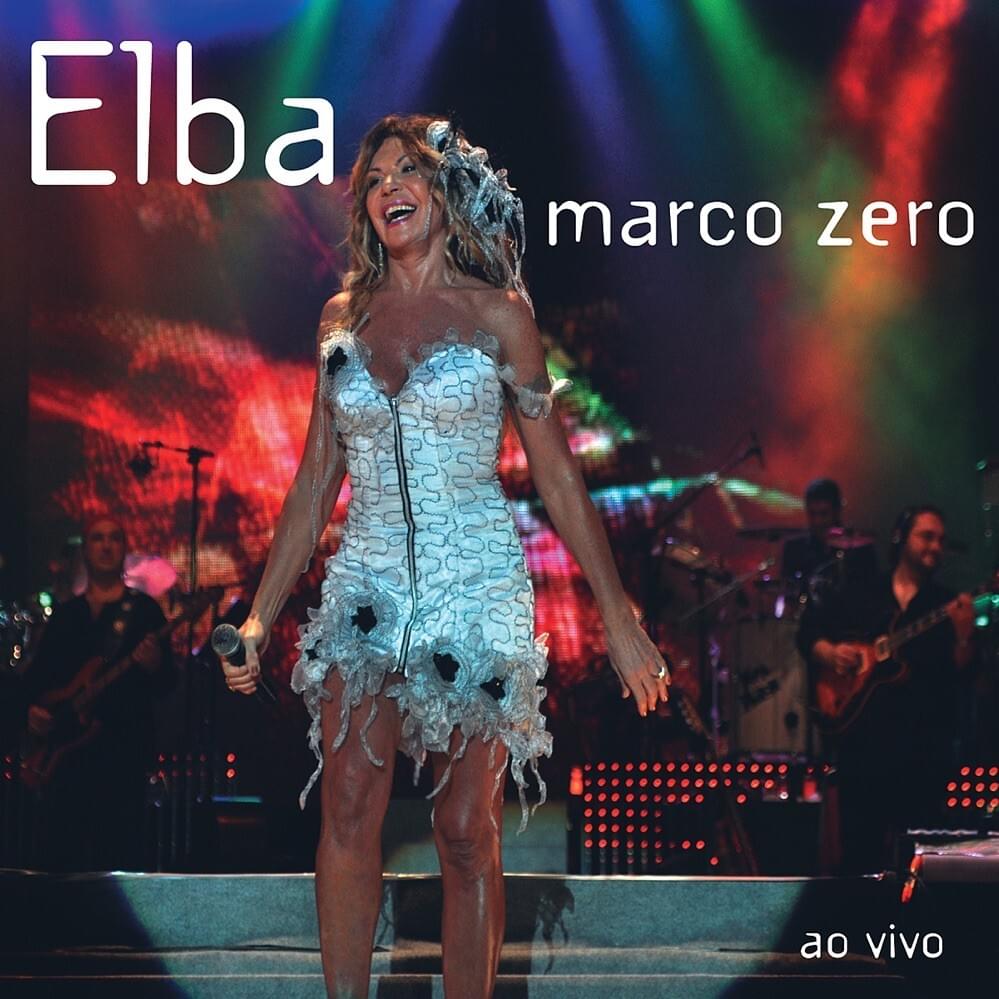
 View Artist