Song Meaning
This track throws you right into the heart of a lively forró party, a scene practically vibrating with energy and a shared sense of joy. The opening lines, "Cai, cai moreno / No fuá que ainda é cedo," immediately set a playful, uninhibited tone, urging someone to join the fun before it's too late. The dominant feeling is one of unadulterated celebration, a collective immersion in the music and the moment.
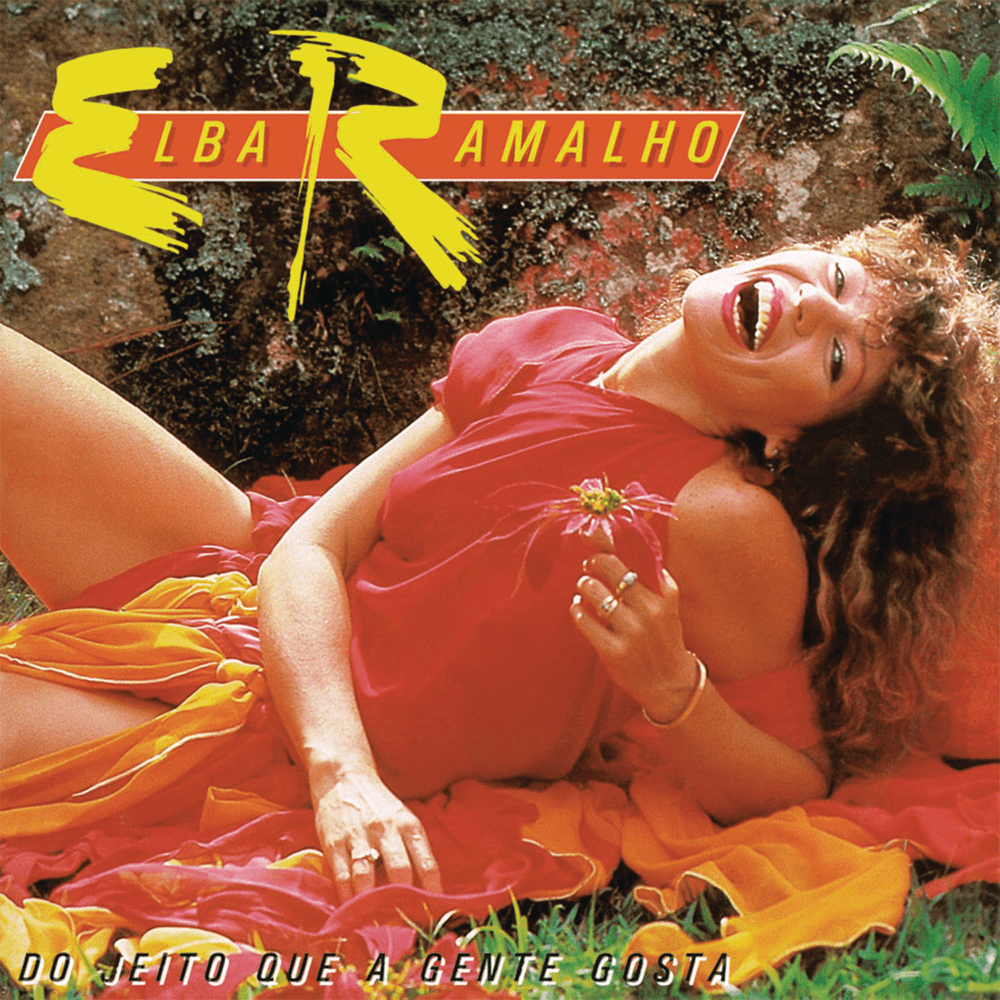
The core of the experience seems to be the music itself and the communal dancing it inspires. The narrator is clearly captivated by the rhythm, declaring, "Nessa pisada / Eu vou até cair de costa." This isn't just casual listening; it's a full-body surrender to the beat, a desire to dance until exhaustion. The repeated phrase "Do jeito que a gente gosta" emphasizes that this particular style of energetic, passionate dancing is precisely what brings them pleasure and satisfaction.
The lyrics paint a vivid sonic picture through onomatopoeia and direct commands to the musicians. "Bumba a zabumba / Zabumbeiro / Oi! Bum... Bum... Ba" and "Castiga de lá sanfoneiro" bring the percussive and accordion-driven sounds to life, urging the musicians to play with intensity. This focus on the instruments and the act of playing highlights the raw, visceral power of the music as the central force driving the celebration and connection.
What makes these lyrics so effective is their directness and sensory appeal. They don't just describe a party; they make you feel like you're there, hearing the instruments and feeling the urge to move. The language is simple, evocative, and full of a palpable enthusiasm that draws the listener into the infectious good time, celebrating a shared cultural expression of joy and togetherness.
 View Artist