Song Meaning
The narrator ascends a hill slowly, a journey marked by a quiet, internal song. Reaching the top, a sense of illumination washes over them, a stark contrast to the long road traveled. From this vantage point, the vastness of the sea is visible, but so too is the pervasive suffering of people praying and enduring hardship. This dual vision sets up a profound emotional conflict.
The core tension arises from the juxtaposition of divine presence and human misery. The narrator witnesses people whose prayers seem to reach God, yet their suffering persists, leading the narrator to add their own lament to this divine ear. The plea is not just personal but collective, "Por nós" – for us. This shared burden fuels the desire for intervention.
The lyrics employ vivid imagery of spiritual appeal and transformation. The narrator implores "Conceição" (often interpreted as Our Lady of the Conception) to "estende o manto" (extend her mantle) and "Vira do avesso esse canto" (turn this song inside out), suggesting a desire to invert the current state of despair. The request for Conceição to "Desce dessa janela" (come down from this window) and "soprar vela por vela" (blow candle by candle) transforms into a plea for her to "Sopre de novo esperança" (blow hope again) and "desabençoar / Essa tristeza intrusa" (unbless this intrusive sadness).
This powerful request for divine intervention, framed by the stark realities of suffering seen from a high place, creates a deeply resonant emotional arc. The shift from passive observation to active supplication, asking for a reversal of sorrow and the infusion of hope, is what makes these lyrics so compelling. The final image of the narrator asking Conceição to blow their lament into God's ear, effectively channeling their pain through the divine, underscores the desperate, yet hopeful, nature of their plea.
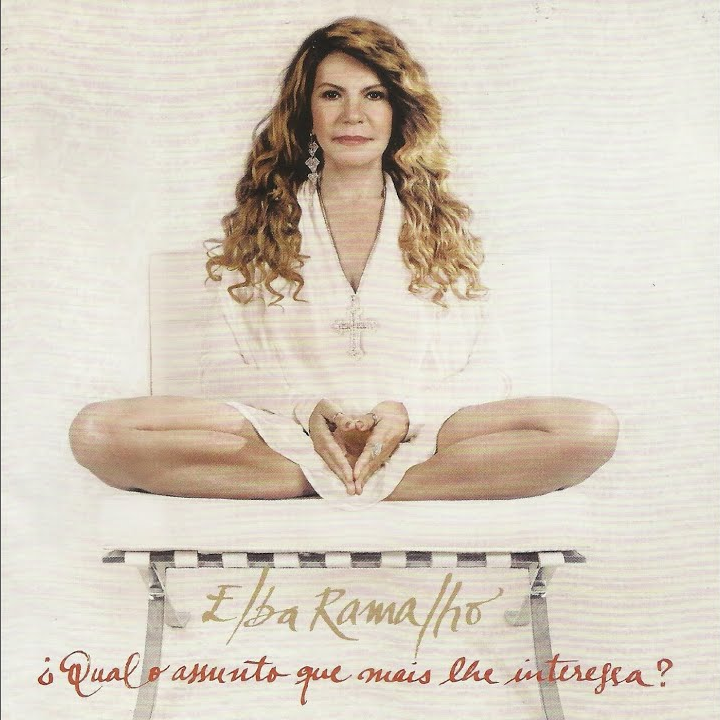
 View Artist