Song Meaning
This song paints a vivid picture of intense, almost subservient devotion. The narrator's love is described with sweetness, like "sabor do mel da cana," immediately establishing a tone of deep affection. The repeated declaration, "Sou tua ama, tua escrava," sets up a dynamic of complete surrender, where the narrator sees herself as entirely defined by her beloved's needs and desires, likening herself to "cana, teu engenho, teu moinho" – elements vital to production and sustenance.
The central tension arises from this profound commitment clashing with the beloved's freedom. The narrator likens her love to a "rosa vermelha" and her beloved to a "beija-flor," a hummingbird. While the rose is rooted, the hummingbird is inherently mobile, flitting from flower to flower. This imagery highlights the narrator's vulnerability; her beloved's nature means he will inevitably "voas / Pra beijar as outras flores," a prospect that inflicts "dores" and consuming jealousy.
The lyrics masterfully employ repetition to underscore the narrator's unwavering, almost desperate, pledge. The phrases "Sou tua cana, teu engenho, teu moinho" and "Sou rosa vermelha" are not just statements but affirmations of her identity as defined by this love. The recurring plea, "Só meu beija-flor acalma / Tua escrava, meu senhor," reveals the paradox of her situation: her only solace comes from the very source of her pain, the beloved's attention, which she desperately craves to quell her "ciúme e um calor."
Ultimately, the song's power lies in its raw portrayal of an all-consuming love that borders on self-negation. The narrator's willingness to be an "escrava" and her profound pain when her beloved seeks other affections, yet her insistence that she will "amar-te até morrer," creates a compelling, almost tragic, portrait of devotion. It's this intense, unyielding commitment, coupled with the inherent vulnerability it creates, that makes the lyrics resonate so deeply.
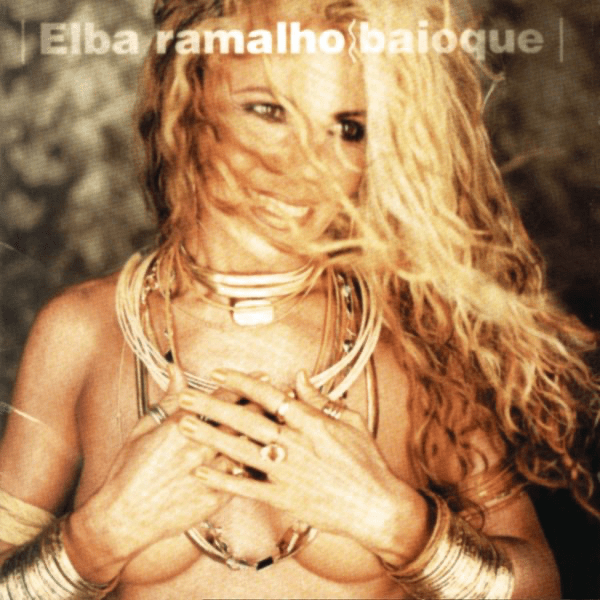
 View Artist