Song Meaning
The lyrics paint a picture of idyllic past happiness in a place called Bodocongó. The narrator recalls a simple, carefree existence, rowing a small boat with their beloved under the moonlight. This memory is presented as a peak experience, a "cosa boa" (good thing) that evokes a sigh of contentment. The repetition of "Bodocongó bodo bodocongó" acts like a gentle, rhythmic chant, reinforcing the peaceful, almost dreamlike quality of these recollections.
The central tension emerges with the shift to the present: "Eu vivo aqui tão só" (I live here so alone). This stark contrast between the joyful past shared with a "bem" (loved one) and the solitary present creates a poignant sense of loss. The vibrant imagery of the past, filled with shared moments and natural elements like the moon and the boat, is now juxtaposed with the narrator's current isolation.
The lyrics use vivid, almost childlike imagery to convey this emotional landscape. The "barquinho de um remo só" (little boat with just one oar) suggests a simple, perhaps even solitary, mode of transport that becomes shared and joyful. The mention of "Meu canário verde" (my green canary) and "Meu curió" (my curio bird) adds a touch of natural beauty and personal connection to the place, further emphasizing what has been lost. The phrase "Remava à toa" (I rowed aimlessly) perfectly captures the feeling of unburdened, spontaneous joy.
This song's effectiveness lies in its directness and the stark emotional contrast it establishes. The simple, repetitive structure and gentle rhythm lull the listener into the peaceful memory, making the sudden declaration of present loneliness all the more impactful. It’s the quiet ache of remembering a perfect moment that can never be recaptured, a feeling amplified by the specific, yet universally understood, imagery of shared happiness and present solitude.
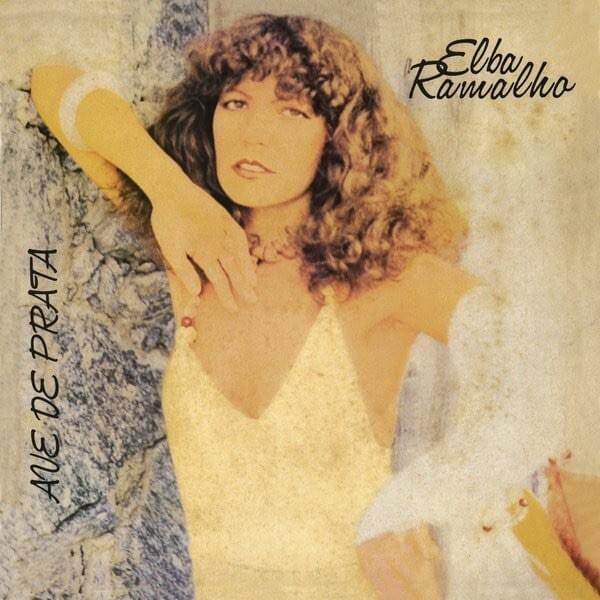
 View Artist