Song Meaning
The lyrics paint a picture of a vibrant, energetic dance hall, a 'forrozão,' where the narrator has already made their presence known and delivered their message. There's a palpable sense of anticipation and a direct invitation for a partner to step up and take control, specifically of the narrator's heart. The dominant tone is one of playful insistence and passionate desire, urging the other person to reciprocate the energy and affection.
The central tension lies in the plea for acceptance and participation. The narrator is clearly ready and willing, having already 'taken charge' and 'given their message,' but the moment hinges on the other person's response. The repeated phrase 'meu bem não diga não' (my dear, don't say no) underscores this vulnerability and the potential disappointment if the invitation is refused. The entire mood of the 'salão' (hall) depends on this affirmative response.
The craft here is in the direct, almost demanding, yet affectionate address. The repetition of 'Vem pra cá meu amor' (Come here, my love) and 'agora é sua vez de tomar conta de mim' (now it's your turn to take charge of me) creates a compelling rhythm that mirrors the dance floor's pulse. The lyrics create a sense of shared experience and urgency, emphasizing that 'a noite é nossa' (the night is ours) and encouraging a carefree abandon, urging the partner not to 'care about anyone else.'
This piece hits hard because of its unvarnished expression of desire and its confident, yet slightly pleading, invitation. The narrator lays their feelings bare, making the listener feel the heat of the moment and the intensity of wanting to connect. The focus isn't on complex metaphors but on the raw, immediate energy of wanting someone to join in the dance and share the night.
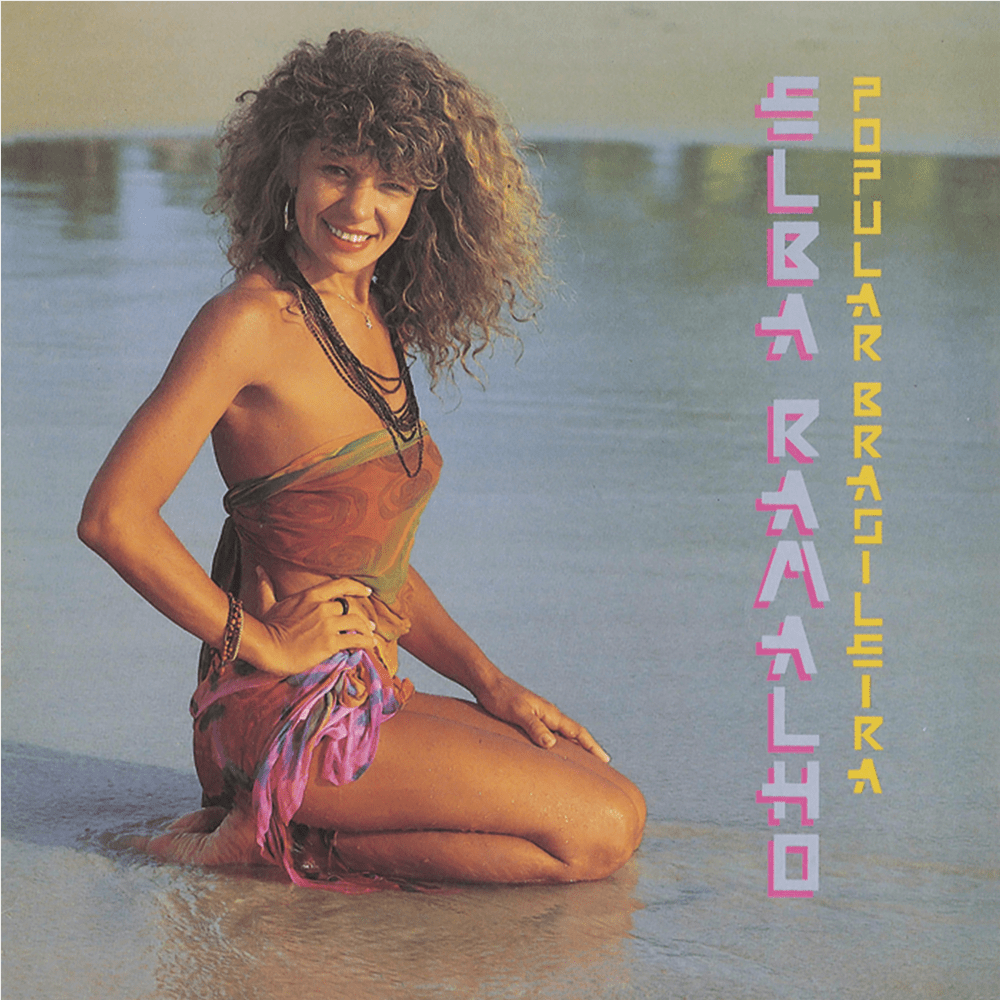
 View Artist