Song Meaning
This track throws you into a chaotic, almost game-like dynamic. The opening lines "I twist, you shout / I'm in, you're out" immediately set a tone of opposition and control, suggesting a relationship or interaction where one person dictates the terms. The rapid-fire, contrasting phrases like "Too sharp, too flat" and "Bonjour, adieu" paint a picture of constant, irreconcilable differences. It feels less like a conversation and more like a series of pronouncements, with the narrator asserting a definitive "It's fate, and that's that."
The core tension here is a push-and-pull that never resolves, framed by the narrator's seemingly dominant position. They present a series of contradictions about the other person – "Can't win, with you" and "You're hard, I'm not" – before flipping it with "You're shit, shit hot." This suggests a complex, perhaps volatile, perception of the other party, where flaws and strengths are intertwined and difficult to categorize. The repeated plea, "Get with it, baby," underscores a frustration with the other's inability or unwillingness to align with the narrator's perspective or pace.
The most striking element is the final stanza's abrupt shift and the stark declaration: "Your arse, my place." This line, following a series of abstract oppositions and drug references, grounds the abstract conflict in a physical, possessive claim. It's a blunt assertion of dominance and intimacy, turning the preceding chaos into a territorial statement. The juxtaposition of "Cocaine, it's crack" and "Blondie, was black" adds a layer of disorienting, perhaps illicit, energy to the mix, making the final possessive claim feel both unexpected and intensely personal.
Ultimately, the lyrics work by creating a sense of disorienting, rapid-fire conflict that resolves into a raw, almost territorial assertion. The narrator's voice is confident, even aggressive, in its pronouncements and its final claim. The effectiveness comes from this blend of abstract, contradictory observations and the blunt, physical finality, leaving the listener with a potent image of control and ownership within-ness, outside-ness.
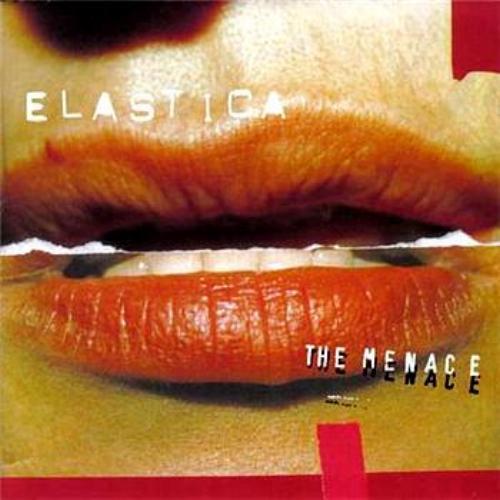
 View Artist