Song Meaning
The lyrics paint a vivid picture of someone stuck in the past, unable to move on from a lost love. The narrator recalls a specific day, marked by shyness and awkwardness, where a simple gesture of holding hands became a pivotal, unforgettable moment. This memory is so potent that it prevents the narrator from engaging with the present or future, creating a deep emotional chasm. The dominant tone is one of longing and a desperate plea to recapture a lost connection, even as the reality of separation looms large.
The central tension lies in the narrator's inability to reconcile their present reality with their past. They acknowledge that the person they love is no longer with them, and their current life is with someone else. Yet, the narrator insists, "My past is me," clinging to the shared history as a reason for the other person to return. This creates a poignant conflict between the undeniable passage of time and the narrator's frozen emotional state, a desperate hope that the future might somehow loop back to their shared past.
The most striking aspect of the writing is the clever wordplay around the word "present." The narrator declares, "My gift is you, my present is you," using the English word for a gift to describe the person they miss. This directly contrasts with the Korean lyrics which state, "Your present is not me," highlighting the painful reality that the beloved's current life does not include the narrator. This duality underscores the narrator's fixation on their own past and their inability to accept the other person's present reality.
Ultimately, the lyrics resonate because they capture the universal pain of unrequited or lost love, specifically the feeling of being trapped in a memory. The narrator's desperate questions, "Can't my future be you?" and the plea, "I'll wait until the end," reveal a profound sense of helplessness. The repeated assertion that their "present is you" and their past is also them, shows how deeply intertwined their identity has become with this lost relationship, making the act of moving on feel like an erasure of self.
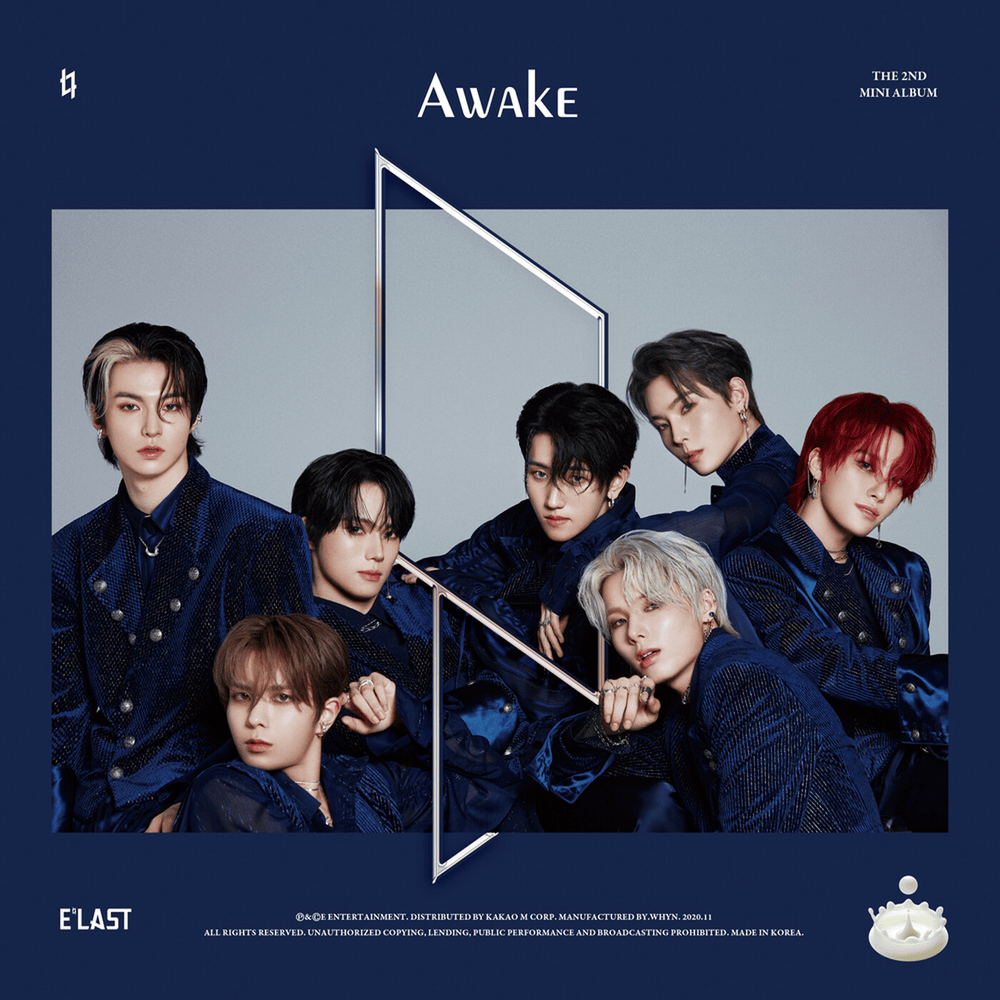
 View Artist