Song Meaning
The narrator’s world implodes after a profound loss, shifting from a belief in deservedness to utter despair. Initially, they felt entitled to the best, stating, "I wanted life, I wanted you." This desire was framed as "a reasonable request," suggesting a belief in a transactional or earned happiness. However, the sudden absence of a loved one shatters this worldview, leading to a dramatic descent into nihilism. The loss is so absolute that the narrator feels their own life is forfeit, wishing to be cast into hell and have the key thrown away.
The core tension arises from the stark contrast between the narrator's previous self-perception and their current devastation. They describe a life of careful control, "always walked a definite line," and "cutting it fine." This meticulous existence is broken by a single moment of losing control, where they "gave him my soul." This act, seemingly a moment of profound connection or sacrifice, is now the pivot point for their downfall. The repetition of "gave him my soul" emphasizes the totality of this singular, irreversible act.
The lyrics masterfully employ the imagery of decay and cold to convey the narrator's emotional state. Once feeling "immortal," they now experience "a cold decay crawling over me." This physical sensation mirrors the internal rot brought on by grief. The final lines, "Sleep, sleep, my love, your night is here / Mine is growing very near, oh, it's getting cold," present a chilling image of the lost loved one at rest while the narrator faces an encroaching, desolate end. The contrast between the loved one's eternal sleep and the narrator's impending coldness highlights the isolating nature of their pain.
This intense emotional arc is effective because it grounds abstract grief in concrete, visceral language. The shift from a sense of entitlement to a desire for oblivion feels earned through the narrative of a single, soul-altering mistake. The final chilling realization that the narrator's own end is drawing near, marked by a pervasive cold, leaves a lasting impression of profound, inescapable sorrow.
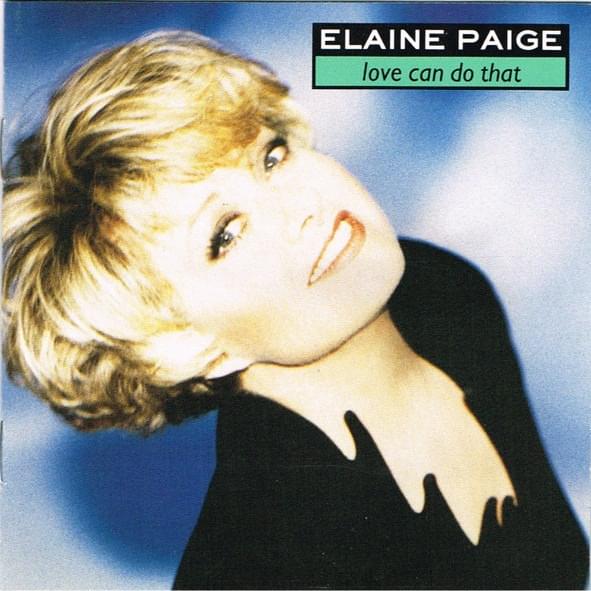
 View Artist