Song Meaning
The lyrics paint a stark contrast between the idealized promise of Christmas and a harsher reality. The opening lines immediately set this up: the expectation of snow and peace is met with relentless rain, described as a "veil of tears." This immediately grounds the listener in a sense of disappointment, suggesting that the magical, serene Christmas often advertised is not what the narrator experiences.
The core tension arises from a "sold dream" versus a waking disillusionment. The narrator recalls a childhood memory of a perfect Christmas, filled with sensory details like "winter's light" and the "smell" of the tree, and eyes shining with "tinsel and fire." This idyllic picture is then directly juxtaposed with the realization that this was a "fairy story," a "dream of Christmas" that ultimately dissolved upon waking, revealing the "disguise" of the figure believed to be Father Christmas.
The most striking craft element is the persistent, almost ironic repetition of the idealized Christmas pronouncements – "They said there'll be snow at Christmas / They said there'll be peace on Earth." This refrain, bookending the song, highlights the gap between societal expectation and personal experience. The shift from childhood belief in "the Israelite" and "Father Christmas" to the adult understanding of a "disguise" is handled with a quiet, almost weary resignation, not anger. The final stanza offers a complex benediction, wishing for a "hopeful Christmas" and "brave New Year," but then delivers a blunt assessment: "The Christmas you get you deserve."
This lyrical approach is effective because it taps into a common, often unspoken, adult sentiment about the holidays. It moves beyond simple nostalgia to acknowledge the often-painful process of shedding childhood illusions. The writing doesn't offer easy answers but instead presents a mature, somber reflection on how we construct and deconstruct our most cherished beliefs, leaving the listener with a sense of earned, rather than bestowed, holiday spirit.
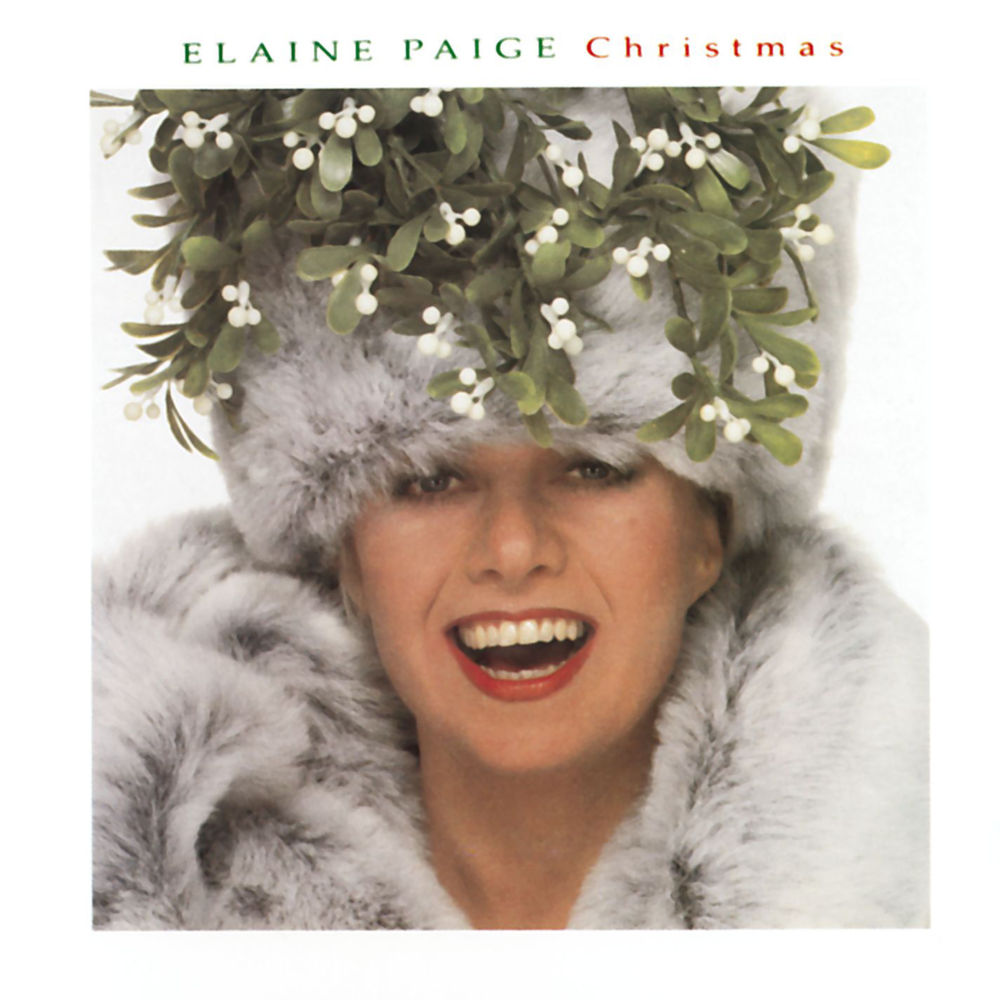
 View Artist