Song Meaning
The lyrics paint a vivid, almost chaotic picture of what would happen if Mexico won the World Cup. It's not just about celebration; it's about an overwhelming, uncontrollable explosion of national euphoria that disrupts the everyday. The narrator imagines the "Angel" monument being swarmed for days and the streets filled with revelers, suggesting a celebration that borders on anarchy. This immediate, visceral reaction sets the stage for a deeper, more cynical observation.
The central tension lies in the contrast between the expected "jubilo nacional" and the darker consequences that would inevitably follow. While the initial thought is of "eternal carnaval," the lyrics quickly pivot to the idea that the sheer intensity of the celebration would lead to a breakdown of order. The police wouldn't be able to "aplacar el jubilo," and schools and businesses would shut down, indicating a temporary suspension of normal life.
What's striking is the abrupt shift from idealized revelry to grim reality. The narrator predicts that "atracos, la violencia y la inseguridad" would increase "a lo carbón," leading to "miles de muertos sin explicación." This stark prediction, stretching from Tijuana to Chetumal, suggests that beneath the surface of national pride, underlying societal issues would be amplified by the extreme circumstances. The image of "cabrones trepados en el Angel" at the end feels less like celebration and more like a final, desperate grasp at a chaotic, uncontrolled moment.
This lyrical approach is effective because it subverts the typical narrative of triumphant sports victory. Instead of focusing on unity and joy, it uses the hypothetical win as a catalyst to expose a latent sense of disorder and unresolved tension within society. The hyperbole, while extreme, serves to highlight how a moment of intense collective emotion could potentially overwhelm established structures, revealing a more complex and unsettling truth about the nation's state.
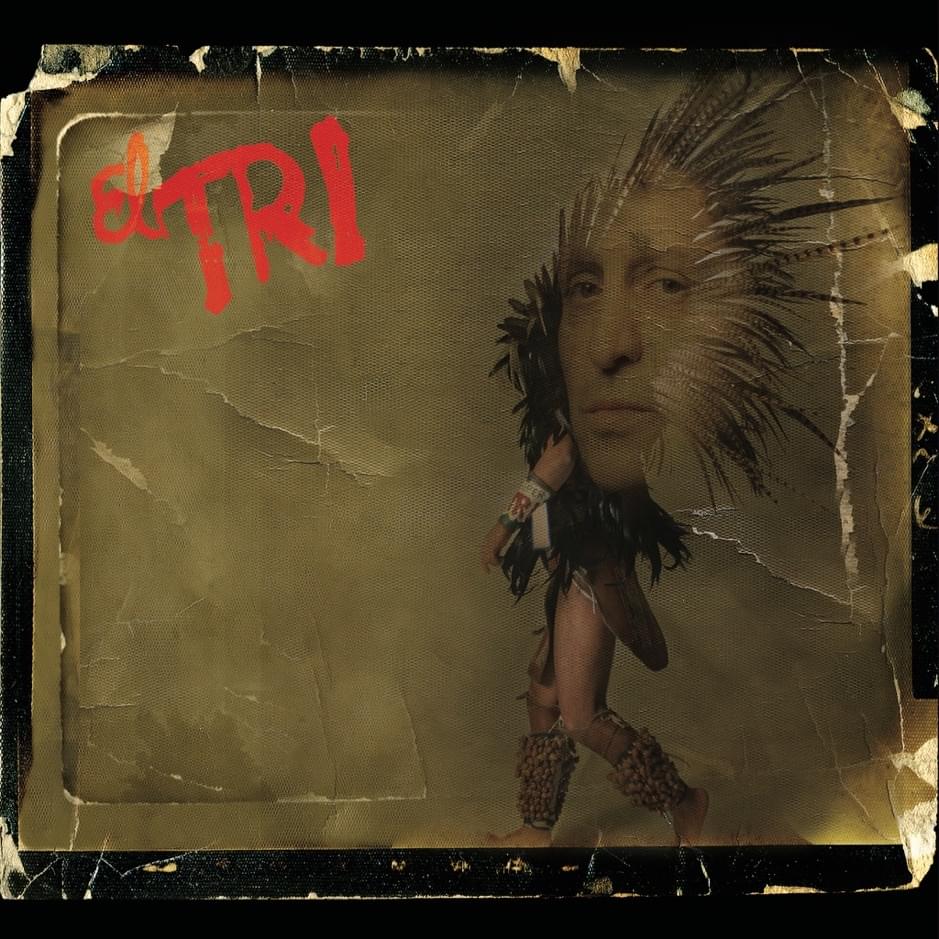
 View Artist