Song Meaning
The lyrics paint a vivid picture of a highly anticipated music festival in Acapulco, set to kick off a World Cup year. What starts as a "festival de la amistad" quickly devolves. The initial excitement for the lineup, including "grupos garbanzos" and "los mas picudos," is palpable. This promising scene, however, is abruptly shattered.
The core tension emerges from the clash between the eager, well-behaved crowd—the lyrics emphasize "la banda se porto muy bien"—and the oppressive "zardos." The narrative builds anticipation only to introduce these antagonists who are "haciéndola de tos." This sudden shift from communal joy to confrontational control forms the emotional heart of the story, as the festival's promise of unity is violently undermined.
The power of these lyrics lies in their escalating depiction of the "zardos'" abuses. They don't just cause trouble; they systematically begin "agandallando a todo el personal," seizing personal items like glasses and cameras. The chilling detail of "agandallandose a las chavas" adds a sinister layer, suggesting a deeper violation than mere property confiscation. This specific, repeated verb "agandallando" underscores their predatory nature.
The imagery of the "zardos" "montados en sus caballos" and "tirando latigazos" delivers a visceral punch, transforming a music event into a scene of authoritarian control. This stark visual, combined with the blunt declaration that the "zardos arruinaron el festival," leaves a lasting impression of injustice. The lyrics effectively capture the bitter taste of a celebratory occasion hijacked and destroyed by an external, aggressive force.
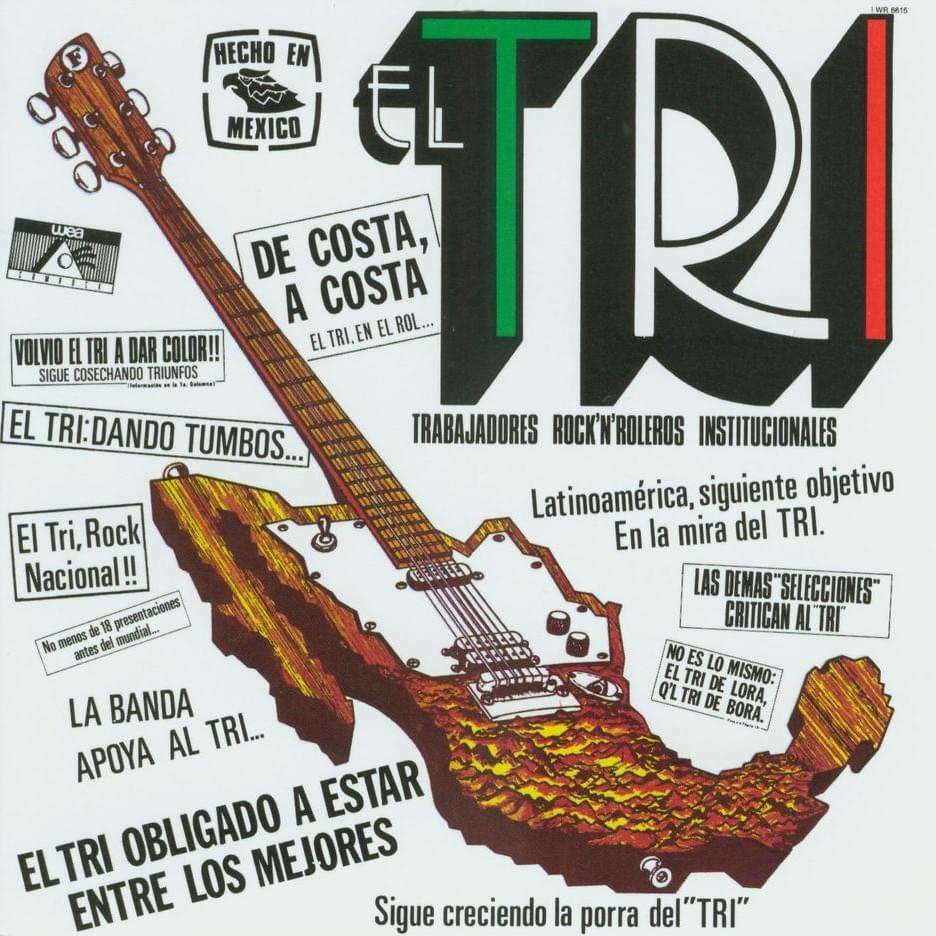
 View Artist