Song Meaning
This track paints a picture of someone utterly consumed by a past relationship, finding their present reality warped by the memory of a lover. The opening lines establish a sense of altered perception, where even a familiar setting like a couch feels different, and the lingering presence of the absent person permeates everything. It’s a potent depiction of how love, or its absence, can fundamentally change one's sensory experience of the world, making forgetting an impossible task.
The central tension lies in the narrator's struggle to reconcile the past with the present, and their inability to move on. The repeated phrase "Los días junto a ti..." acts as a wistful refrain, highlighting the cherished time that now fuels their current longing. This fixation on the past is so strong that it has shattered their "mundo de cristal," suggesting a fragile reality that has been irrevocably broken by the loss.
The most striking lyrical device is the metaphor of the "túnel entre tú y yo." This isn't just about remembering; it's about actively constructing a connection, a hidden pathway back to the shared experience. The narrator discovered within this tunnel that "se puede encontrar / Un camino para los dos," implying a belief that the connection, though built in memory, could still lead to a shared future or at least a shared understanding. It’s a powerful image of internal architecture, building a bridge across a void.
What makes these lyrics resonate is the raw vulnerability and the vivid, almost tangible sense of longing. The narrator isn't just sad; they've actively built a mental space to revisit a lost connection, only to find that this space confirms the impossibility of return. The contrast between the mundane setting of the couch and the profound internal excavation of the tunnel creates a compelling emotional landscape, making the ache of memory feel deeply personal and intensely felt.
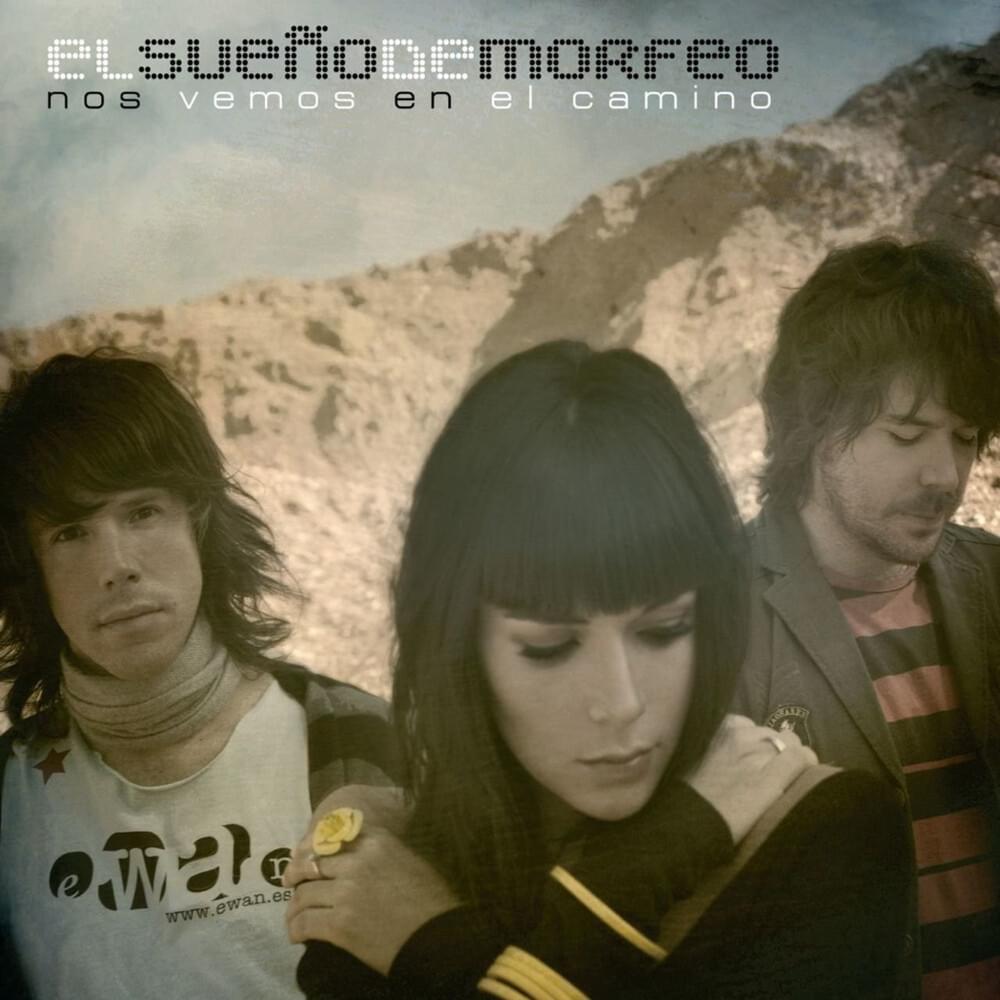
 View Artist