Song Meaning
The lyrics open with a stark, almost suffocating repetition of "Otra navidad," immediately establishing a sense of weary, inescapable routine. This isn't a joyous holiday greeting; it feels like a sigh, a resignation to the annual cycle. The phrase hammers home a feeling of being trapped, where each Christmas is just another in a long, indistinguishable line.
The mood shifts dramatically with the introduction of German Christmas traditions, specifically the figure of Rupert. This detail, contrasting with the familiar "Feliz Navidad," introduces a darker, more unsettling undercurrent. The idea of a figure punishing parents for their children's misdeeds, wielding "varas para azotar," injects a punitive and almost perverse element into the holiday narrative, twisting the expected benevolence of Santa Claus.
The most striking element is the abrupt pivot to "Muerto en navidad," repeated with the same insistent, ritualistic quality as the opening. This phrase acts as a brutal counterpoint to the festive imagery, suggesting a profound loss or a death associated with the holiday itself. The repetition transforms it from a statement into a haunting refrain, a chilling echo that overshadows any potential cheer.
This juxtaposition of forced festivity and grim finality creates a powerful emotional dissonance. The lyrics seem to articulate a deep-seated disillusionment with the holiday season, where the outward performance of joy masks an inner emptiness or a profound sense of finality. The craft lies in the relentless repetition, which builds a claustrophobic atmosphere, and the jarring introduction of a dark, folkloric detail that amplifies the underlying melancholy into something truly unsettling.
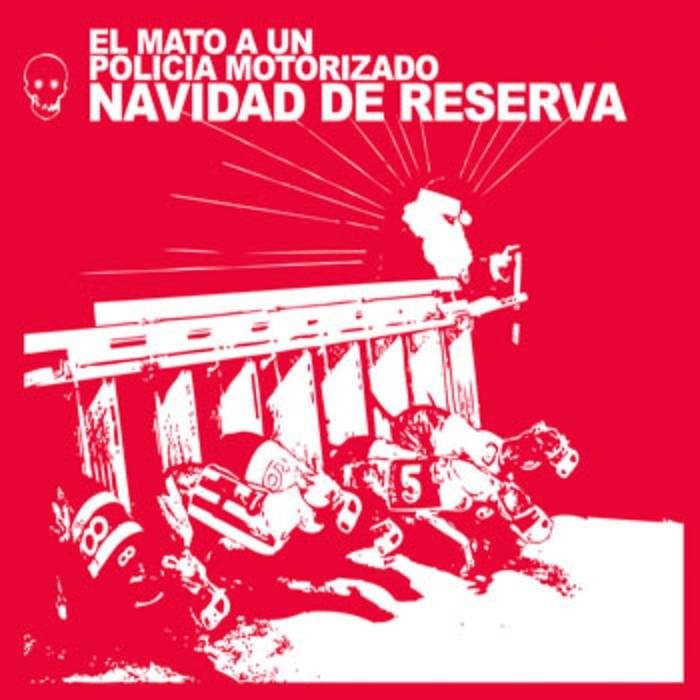
 View Artist