Song Meaning
El DeBarge’s "Turn the Page" isn't just a song; it's a melancholic exhale after love's slow fade. The central metaphor, "turn the page," speaks volumes about the frustratingly linear nature of time and experience. DeBarge isn't offering a clean break; the turning is slow, labored, and filled with the ghosts of what was. The repetition of the phrase underscores the cyclical nature of relationships – the anticipation, the experience, and the inevitable reflection. It’s a poignant acknowledgement that life, like a book, moves forward whether we're ready or not. The question isn't about avoiding the next chapter, but about facing it with a heart still carrying the weight of the previous one.
The lyrics hint at a deeper sense of loss, a creeping realization that something precious has irrevocably changed. The wistful "way back when, when the stars were bright" contrasts starkly with the present-day search through the "book of love," revealing "nothing left for me and you." This isn't a sudden explosion of heartbreak; it's the quiet devastation of realizing that the shared narrative has run its course. DeBarge's almost desperate vocal inflections, particularly during the instrumental break and the questioning "Where did all the love go?" add layers of raw emotion, transforming the song into a vulnerable exploration of love's impermanence.
Ultimately, "Turn the Page" resonates because it taps into a universal fear: the fear of growing apart, of love losing its luster. DeBarge doesn't offer easy answers or platitudes. Instead, he provides a soundtrack for the bittersweet process of accepting change, acknowledging the pain of the past, and bracing oneself for the unknown future that each new page inevitably holds. It's a mature take on heartbreak, less about blame and more about the complex emotions that linger when a relationship reaches its natural conclusion.
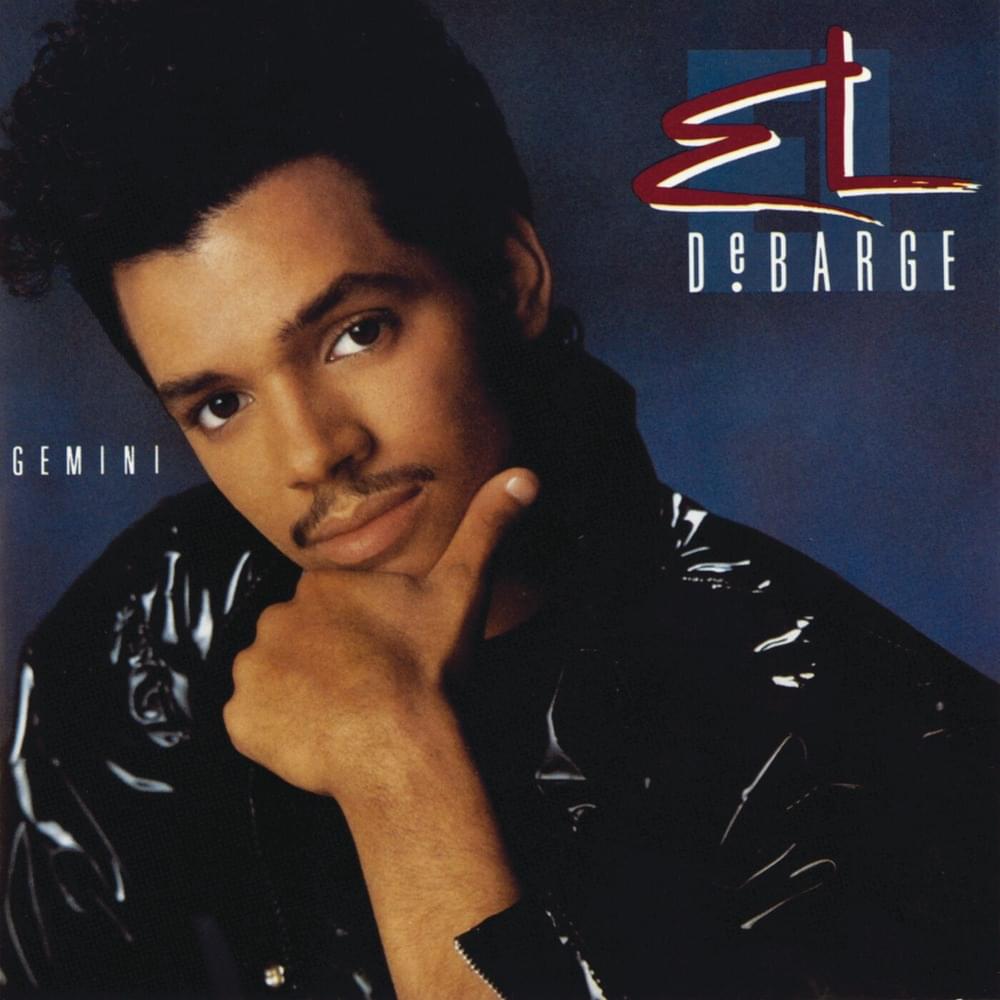
 View Artist