Song Meaning
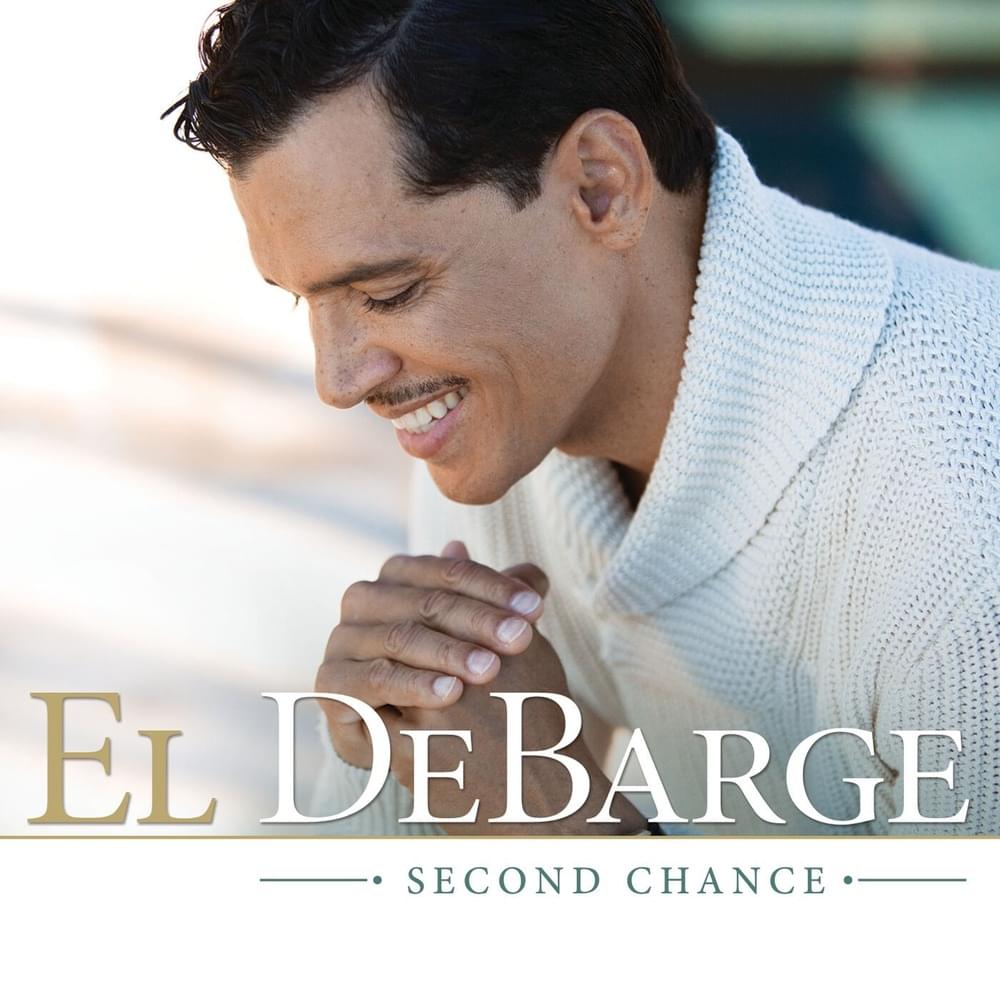
El DeBarge's rendition of "Silent Night" transcends mere holiday cheer, becoming a poignant meditation on faith, isolation, and the yearning for connection. Stripped of any overt R&B stylings, the song's power lies in its simplicity and DeBarge's emotionally resonant delivery. The recurring phrase "Silent night, holy night" establishes a scene of serene beauty, yet subtly hints at a deeper, perhaps unsettling quietude. One can't help but consider the 'no dial tone' of the soul, a spiritual disconnection that many experience even amidst the outward celebrations of the season. It's a sonic prayer for solace in a world that often feels deafeningly loud and overwhelmingly lonely.
The lyrics, though traditional, take on a new weight in DeBarge's hands. "All is calm, all is bright" initially evokes idyllic imagery, but the repetition prompts a question: is this a reflection of reality, or an aspiration? The focus on the "virgin mother and child" can be interpreted as a symbol of hope and new beginnings, but also of the unique burden and isolation of parenthood, amplified by the holiday season's expectations. DeBarge's phrasing imbues the familiar words with a sense of longing, a desire to truly experience the promised "heavenly peace."
Ultimately, the song meaning hinges on the tension between the outward appearance of peace and the internal struggle for connection. The repeated invocation of "Jesus Lord, at thy birth" functions as both a declaration of faith and a desperate plea for intervention. In a world increasingly defined by digital noise and superficial interactions, El DeBarge's "Silent Night" serves as a powerful reminder of the enduring need for genuine spiritual connection and the quiet hope that such connection is still possible, even when the world feels like it's given us "no dial tone." It's a sophisticated take, asking listeners to consider the deeper psychological and emotional currents beneath the surface of a well-worn Christmas carol.
 View Artist