Song Meaning
The lyrics paint a picture of determined movement despite hardship. The narrator acknowledges the difficulty, noting the path is narrow and dust clings to them, while winds try to push them off course. Yet, the core message is a resolute continuation: "Sigo mi senda sin lastre" – I follow my path unburdened. This isn't about reaching a destination, but about the act of moving forward itself.
There's a fascinating tension between embracing a nomadic existence and a deep-seated desire for a specific kind of journey. The narrator describes walking "como un vagabundo" (like a vagabond), without a fixed direction or goal, driven by chance. However, this freedom is juxtaposed with a yearning to "ser peregrino por los caminos de España" (be a pilgrim on the roads of Spain). This suggests a search for meaning or spiritual fulfillment through a defined, albeit wandering, path.
The craft here lies in the powerful imagery of detachment and constant readiness. The narrator travels "sin equipaje" (without luggage) and states their place is "el aire" (the air), like the scent of wine – intangible and ever-present. This emphasizes a shedding of material concerns and earthly ties. The repetition of "El caso es andar" (The point is to walk) acts as a mantra, reinforcing the central theme that the journey, not the arrival, is the purpose.
Ultimately, these lyrics resonate because they capture a profound human impulse: to keep moving, to embrace the unknown, and to find value in the process of living itself. The narrator finds a peculiar freedom in not belonging to any landscape, in being unburdened, and in the simple, relentless act of putting one foot in front of the other, even when the way is tough.
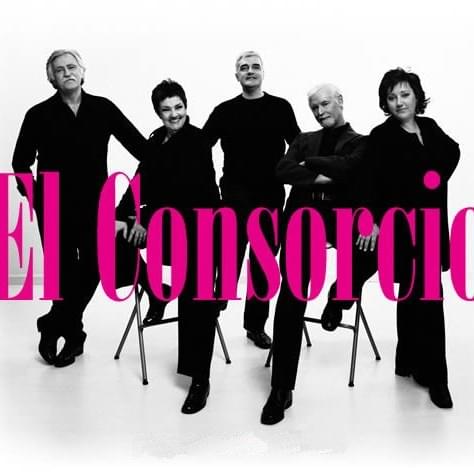
 View Artist