Song Meaning
The lyrics paint a grim picture of a forced encounter, opening with the immediate shock of capture. The victim's frantic cries – "¡No sabéis con quien estáis tratando!" – and desperate pleas – "Dejadme ahora mismo, dejadme, ¡dejadme!" – establish a tone of terror and disbelief. This initial chaos is juxtaposed with the captors' cold pragmatism, noting the tinted windows and the two-hour drive, suggesting a planned operation rather than a spontaneous act. The narrator’s detached admission, "No es que me guste hacer lo que hago pero está bien pagado," frames the violence as a job, a chilling normalization of their actions.
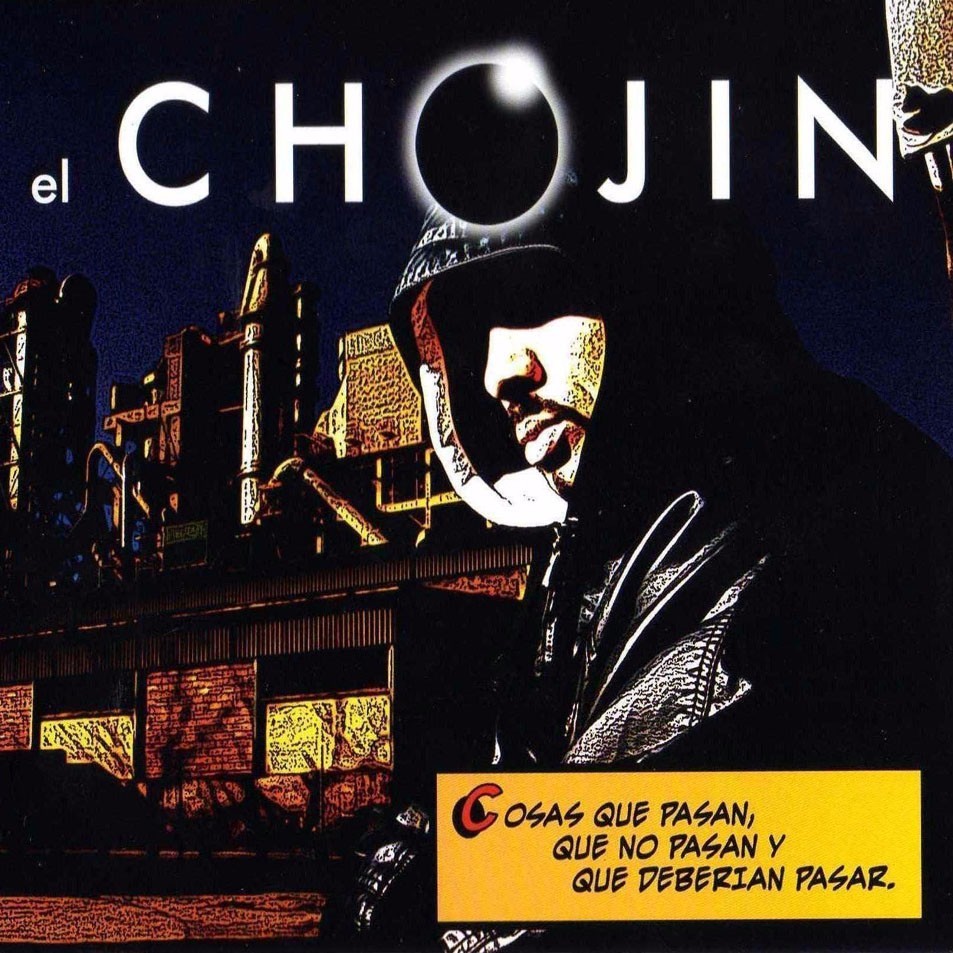
The central tension lies in the narrator's brutal assertion of control against the victim's bewildered protestations. As the victim is bound and threatened, their desperate question, "Pero, pero ¿pero porque a mí? ¡si yo no he hecho nada!" hangs in the air, met with the dismissive, almost taunting refrain: "Ey, cosas que pasan." This phrase, repeated at the end, becomes a mantra of fatalism, suggesting that such harsh realities are simply unavoidable occurrences, stripping away individual blame and reducing the event to an impersonal happening.
The most striking element is the narrator's violent metaphor for silencing a rival. The declaration that "el rap de gorra pa un lao" is dead and buried in the desert is a brutal, almost theatrical pronouncement. By comparing their actions to the grim efficiency of Jack Bauer and Bond, the narrator elevates their own cruelty, implying that the victim's fate is a definitive end to a perceived threat or annoyance. The mention of "tenazas" (pincers) further underscores the physical and psychological torment inflicted.
Ultimately, the effectiveness of these lyrics stems from their unflinching portrayal of casual brutality and the chilling detachment of the perpetrator. The stark contrast between the victim's terror and the narrator's business-like approach, punctuated by the nihilistic "cosas que pasan," creates a disturbing narrative. It forces the listener to confront a world where violence is normalized, a job to be done, and suffering is just an unfortunate, impersonal event, leaving a lingering sense of unease.
 View Artist