Song Meaning
This track lays out a wishlist of societal and systemic improvements, framed as "things that should happen." It opens with a stark call for accountability, mentioning Guantanamo and the pharmaceutical industry, immediately setting a tone of righteous indignation. The narrator then pivots to more everyday desires: better urban planning for Madrid, the ability to work in one's field, and more inclusive access to cultural events. These aren't abstract ideals but concrete, tangible changes the speaker wishes to see.
The core tension lies between the mundane reality and the aspirational vision. The lyrics highlight a disconnect between what is and what ought to be, particularly in how marginalized groups are treated and how basic needs are commercialized. Phrases like "hacer negocio denigrándolos" (doing business by denigrating them) and the critique of news reporting on crime reveal a deep frustration with exploitative systems and biased language. The repeated desire for things to simply "happen" underscores a feeling of powerlessness against entrenched problems.
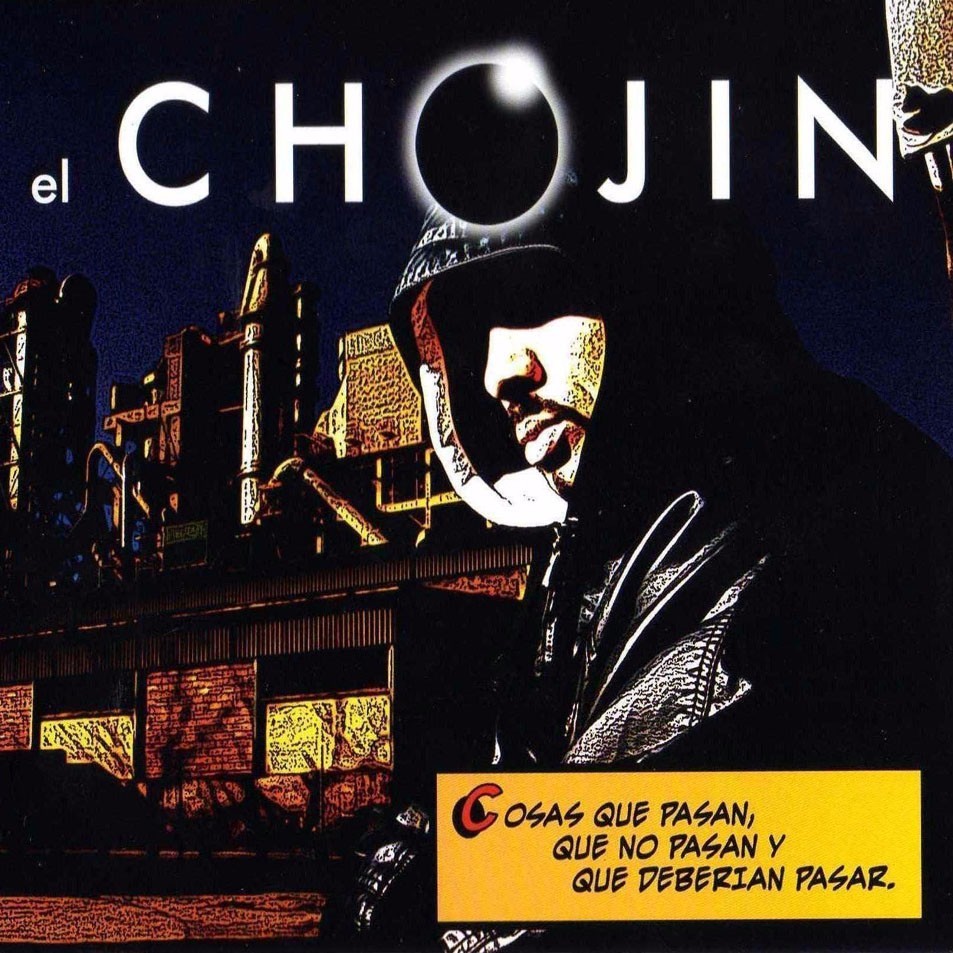
The most striking craft element is the direct, almost conversational listing of these desires, punctuated by moments of sharp critique and a touch of self-aware humor. The contrast between serious issues like environmental collapse and personal wishes like winning Grammys ("me dieran un grammy o dos todos los años") creates a unique texture. This juxtaposition suggests that even personal aspirations are tied to a broader desire for recognition and validation within a system that the narrator finds fundamentally flawed. The repetition of "Cosas que deberían pasar" acts as a refrain, reinforcing the persistent, unmet longing for these changes.
Ultimately, the lyrics resonate because they articulate a shared, if often unspoken, frustration with societal shortcomings and a yearning for a more just and functional world. The specificity of the examples, from pharmaceutical access to avoiding city collapse in snow, grounds the idealism in relatable experiences. The blend of grand societal critiques with personal, almost whimsical desires makes the narrator's plea feel both urgent and deeply human, capturing a sentiment of wanting things to simply work better for everyone.
 View Artist