Song Meaning
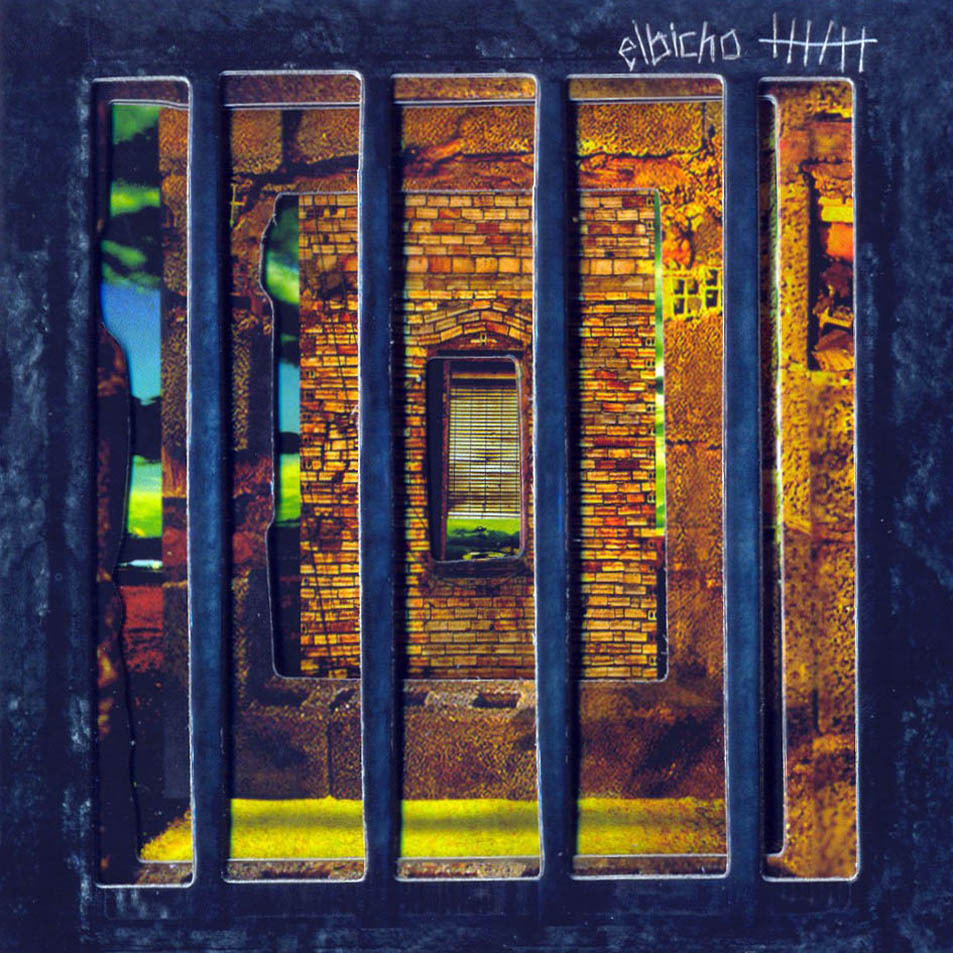
The lyrics paint a stark picture of confinement and the passage of time, with the narrator repeatedly stating "Cumplí condena" (I served my sentence) and "los dias se me van" (the days go by). This repetition establishes a sense of weary resignation, a life lived in a "penal sin pena" (a prison without pity). The initial verses capture a feeling of isolation and a desperate longing for connection, even if it's just a brief, monthly visit: "Y un bis a bis un dia al mes / No viene mal" (And a visit once a month / Isn't bad).
The central tension arises from the oppressive atmosphere and the narrator's struggle to find any sense of progress or clarity. The lines "No me falta el aire / No se puede respirar" (I don't lack air / You can't breathe) suggest a suffocating environment, not necessarily physical lack of oxygen, but an inability to truly live or escape the weight of their situation. The repeated phrase "Tiré palante y patrás / Y no vi na" (I went forward and backward / And saw nothing) powerfully conveys a feeling of futility, of effort yielding no discernible outcome or understanding.
A striking contrast emerges between the narrator's lived reality and a potential future or a different social stratum. The imagery of "las lágrimas de los marqueses / Rieguen la tierra de los siervos" (the tears of the nobles / Water the land of the servants) introduces a potent critique of social inequality. This metaphorical scene suggests a world where the suffering of the elite might, in some distant future, indirectly affect the downtrodden, but the immediate response from those in power is to silence the voices of the oppressed: "Callad, y escuchad la plegaria" (Be quiet, and listen to the prayer).
This lyrical construction is effective because it grounds abstract feelings of injustice and confinement in concrete, albeit metaphorical, imagery. The juxtaposition of the personal struggle for breath and sight with the grand, almost biblical, vision of social upheaval creates a powerful emotional resonance. The final lines, "Puede ser, un tio importante / Puede ser, alguien normal / Puede ser, un tio sincero" (It could be, an important guy / It could be, someone normal / It could be, a sincere guy), leave the listener with a lingering sense of lost potential and the universal human desire for recognition and a meaningful existence, regardless of one's circumstances.
 View Artist