Song Meaning
The lyrics paint a vivid picture of yearning for liberation and unburdened existence. The narrator expresses a deep desire to feel free, to live without constraints, and to experience their dreams while awake. This longing is palpable, creating an immediate sense of aspiration and a wish for a lighter, more authentic life.
The central tension lies in the contrast between the current state of being and the desired state of freedom. Phrases like "láncok nélkül létezni" (to exist without chains) and "soha senkitől nem kérdezni" (never to ask from anyone) highlight a feeling of being held back or dependent. The repeated wish to "érzeni" (to feel) suggests a current emotional or experiential deficit that freedom is expected to fill.
The most striking aspect of the craft is the powerful, almost incantatory repetition of "Szabadon" (freely/free). This word, appearing multiple times and culminating in the desire to "Szabadon élni" (to live freely), acts as both a mantra and a destination. The imagery of "felhők között repülni" (to fly among the clouds) further amplifies this sense of boundless possibility and escape from earthly limitations.
Ultimately, the effectiveness of these lyrics stems from their directness and the universal appeal of the desire for freedom. By focusing on simple, potent desires – to feel, to live without chains, to fly – the song taps into a fundamental human aspiration. The repetition of "Szabadon" solidifies this core message, making the yearning for liberation feel both personal and profoundly resonant.
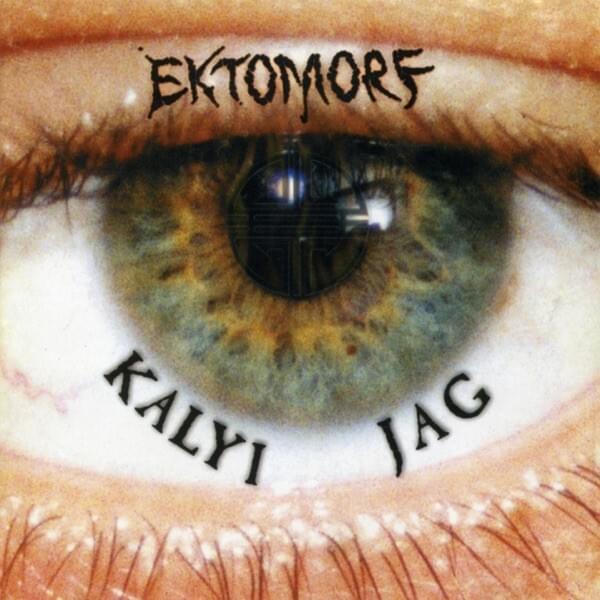
 View Artist