Song Meaning
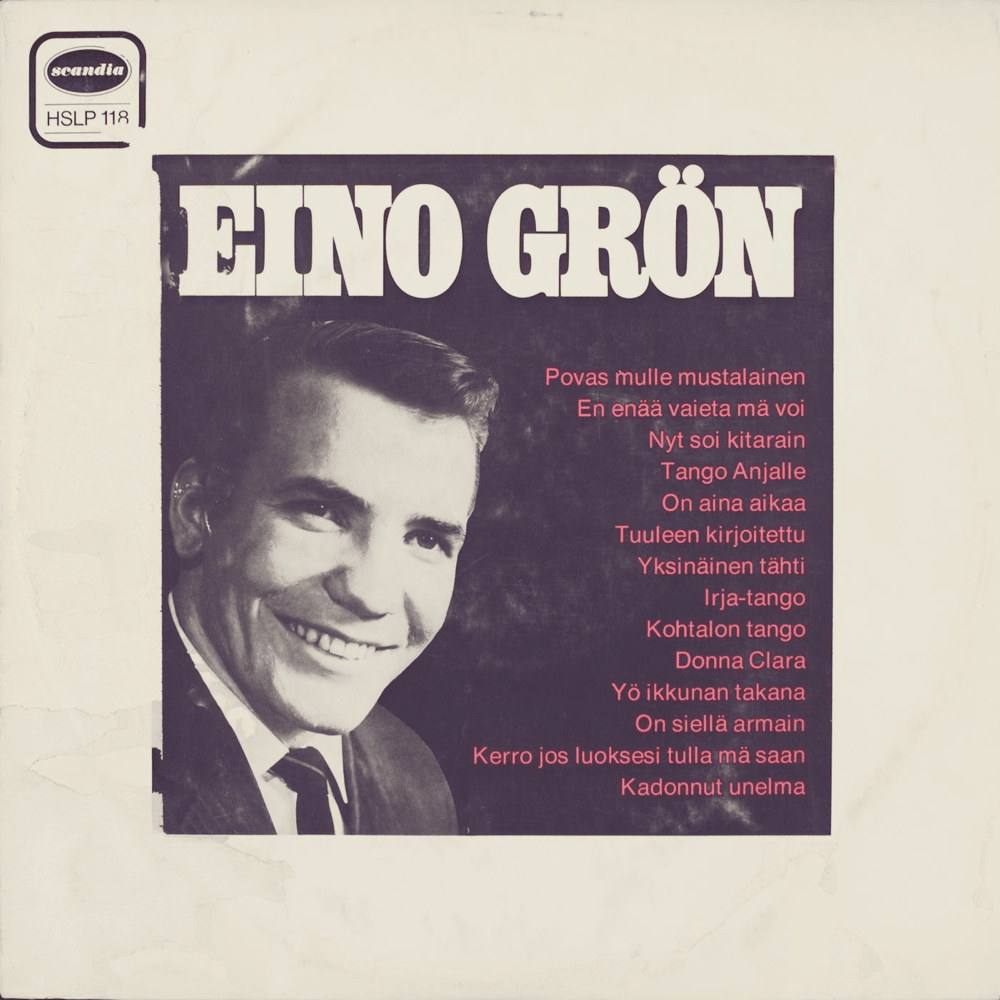
Eino Grön's "Kohtalon tango" isn't just a song; it's a melancholic study in fate, loss, and the human condition. Through the lens of a tango, a dance already steeped in passion and drama, Grön explores the capriciousness of destiny and its profound impact on the heart. The lyrics paint a picture of a love that has vanished, leaving behind only the echo of what was, and the chilling realization that happiness may be forever out of reach. The "tango of fate" isn't just background music; it’s the soundtrack to a life irrevocably altered. It vibrates in the singer's soul, a constant reminder of love's demise. The song's core revolves around the acceptance of a predetermined path, a path that seemingly denies lasting joy. There's a sense of helplessness, a question of how one could possibly alter the course of fate when it seems so deliberately designed to inflict pain. The lyrics highlight a past filled with love and contentment, a "wonderful world of happiness," now reduced to a fading memory.
The beauty of "Kohtalon tango" lies in its raw emotional honesty. The singer acknowledges a potential error in placing too much faith in fate's impartiality. This realization adds a layer of complexity. It's not merely about blaming destiny; it's about confronting the vulnerability of surrendering control. The recurring motif of the "unknown path" emphasizes the uncertainty that defines existence. The tango itself becomes a metaphor for this journey, a dance where every step is dictated by an unseen force. The mournful sound of the tango mirrors the despair of never seeing the loved one again, the one who once provided the "warmth of love." The song avoids cliché by grounding its sorrow in tangible, relatable experiences.
Ultimately, "Kohtalon tango" resonates because it taps into universal fears and anxieties about love, loss, and the illusion of control. It's a song about the enduring power of memory and the struggle to find meaning in a world where happiness seems fleeting and destiny feels like a cruel puppeteer. The tango's lament isn't just a personal tragedy; it’s a reflection on the inherent fragility of human existence, a haunting reminder that even the most passionate love can be swept away by the unpredictable currents of fate. Grön delivers not just a performance, but a stark meditation on the human heart's capacity for both profound love and inconsolable grief.
 View Artist