Song Meaning
The lyrics paint a stark picture of destruction and a desperate, almost vengeful, desire for something to be permanently gone. The narrator observes a "rosewood" healing from a "hole I just burned," immediately establishing a tone of regret mixed with a strange fascination for the damage. This isn't a simple accident; it's a deliberate act that the narrator watches, noting how the "ugly scar will mend itself again." The central question becomes not if the damage will heal, but when the "figure" of what was destroyed will finally cease to exist.
The core tension lies in the narrator's relationship with this "figure" and its perceived perfection, which they seem to resent. They "pierce through the heart" of it, watching its "red elixir spill," and even "depict eighteen visions for its demise." This intense focus suggests a deep-seated grievance, a desire to obliterate something that represents an ideal or a past life. The line "Not even water can bring back two thousand years of life I've watched die" hints at a profound, perhaps generational, loss that the narrator feels keenly, contrasting it with a religious resurrection they reject: "You are not my Christ."
The most striking craft element is the juxtaposition of religious imagery with profane destruction. The narrator invokes a resurrection on the "third day" but immediately disavows it, positioning themselves outside of salvation. They then declare "Utopia" damned and place a "figure of ideal perfection" on the "left hand path," a clear reference to dark or forbidden practices. This creates a sense of a personal, heretical ritual where the goal is not healing or redemption, but the permanent erasure of something once held sacred or idealized.
This lyrical construction is effective because it taps into a primal urge for finality, even in the face of inevitable renewal. The narrator's meticulous planning of destruction, their rejection of conventional solace, and their embrace of a dark, personal path create a compelling portrait of someone wrestling with profound loss and seeking absolute closure. The lyrics don't offer comfort, but rather a raw, unflinching look at the desire to annihilate what causes pain, even if it's something once considered perfect.
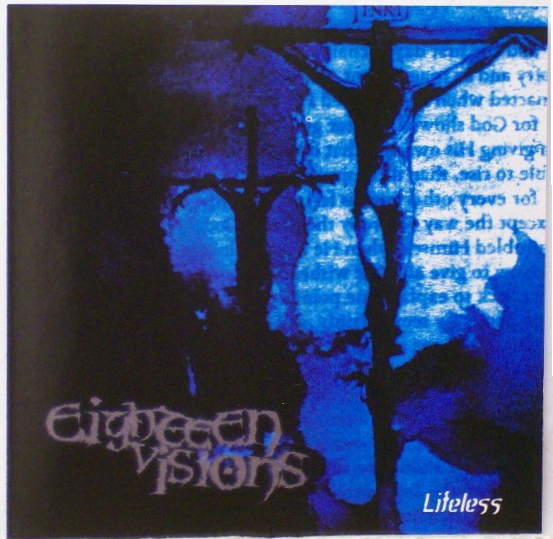
 View Artist