Song Meaning
The lyrics paint a stark portrait of a man ostracized and transformed into a village fool, a "strange man" (איש מוזר). The opening lines immediately establish this fall from grace, questioning how he became this figure. The scene shifts to a neglected tavern under a "dirty moon" (ירח מלוכלך), where the protagonist seems to howl with the street dogs on a cold night, suggesting a profound sense of alienation and despair. This imagery evokes a feeling of being utterly alone and degraded.
The central tension lies in the narrator's perceived downfall and expulsion. He's described as "exiled from foreign lands" (גורשת מארצות ניכר), arriving "anonymous and redundant, strange" (אלמוני ומיותר, מוזר). The repetition of "not the same thing anymore" (לא היית כבר אותו דבר) underscores a loss of identity and a painful transformation into someone "a little bitter and strange" (אדם קצת מר וזר). The recurring refrain "the heart is broken, everything is over" (הלב נשבר, הכל נגמר) hammers home the finality of this emotional devastation.
The craft here is in the stark, almost brutal simplicity and the evocative, bleak imagery. The repetition of "strange man" and the parallel between howling with dogs and the narrator's own perceived state create a powerful sense of shared misery and isolation. The contrast between his past (implied by "foreign lands" and leaving the "city" - הכרך) and his present state as a village outcast is sharp and unforgiving. The lyrics don't offer comfort, but rather a raw depiction of social and personal ruin.
This lyrical approach is effective because it bypasses complex metaphors for a direct, visceral portrayal of brokenness. The bleak setting, the animalistic comparison, and the repeated pronouncements of finality combine to create an overwhelming sense of hopelessness. It’s the unvarnished depiction of a man stripped of his dignity, left to howl with the dogs under a dirty moon, that makes the emotional weight of his situation so palpable.
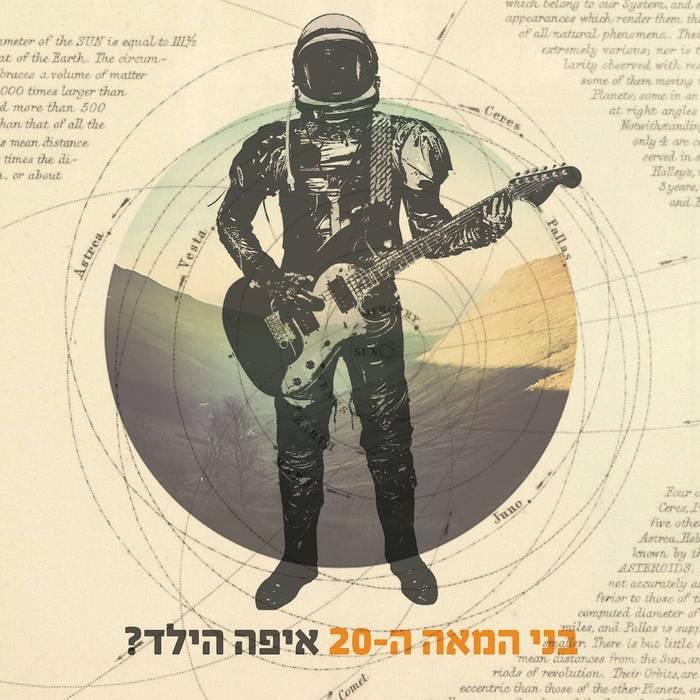
 View Artist