Song Meaning
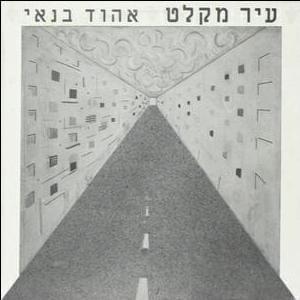
The lyrics paint a picture of someone desperately seeking refuge from an overwhelming internal struggle, a "blues" that threatens to become a "flood." The narrator feels compelled to "move," embarking on a journey across Israel, from Acre to Eilat, explicitly searching for a "city of refuge." This isn't just a physical trip; it's a flight from a state of being "spilled, escaped," a profound need to find a safe harbor before breaking.
The central tension lies in the narrator's vulnerability and the hope for salvation. They are "reaching my last strength" and plead for a welcoming presence, asking to be taken "to the altar before I break." This suggests a deep-seated fear of collapse, a feeling of being on the brink, and a yearning for a place or person that can offer solace and protection until a resolution is found.
The most striking aspect is the repeated invocation of "city of refuge." This phrase, repeated insistently in the chorus, acts as an anchor for the narrator's hope. The lyrics also build a sense of anticipation for a future resolution, mentioning "until the truth comes out," "until the storm passes," and "until the judge comes and acquits us." This cyclical structure, with the chorus acting as a constant plea, emphasizes the ongoing nature of the struggle and the persistent hope for eventual vindication and peace.
This song resonates because it captures a universal human experience: the feeling of being overwhelmed and the primal need for safety and belonging. The specific imagery of a physical journey across Israel grounds the emotional turmoil, making the abstract search for refuge feel tangible. The repetition of "city of refuge" acts like a mantra, highlighting the desperate, yet hopeful, quest for a place to hide until the internal storm subsides and justice, or at least peace, is found.
 View Artist