Song Meaning
The lyrics open with a plea to a higher power, questioning a wrong turn that led to a profound sense of being lost. This initial disorientation is framed as a corruption, eating away at noble ideals and a pure mind. The repeated phrase "Ei vieläkään, vieläkään loppua näy" (Still no end in sight) immediately establishes a tone of persistent struggle and despair.
The central tension arises from a perceived societal decay, where "ihmiset kasvattavat mustaa sydämiinsä" (people grow black in their hearts). This internal darkness seems to be a consequence of abandonment, as the narrator implores, "Etkö sä muista ettet voi jättää meitä" (Don't you remember you can't leave us). The plea is directed not just at a divine entity but also implicitly at those who hold power or responsibility.
A striking shift occurs with the direct address to "Herra" (Lord), acknowledging divine busyness but highlighting the failures of even the "miehistä parhaatkaan" (even the best of men). This leads to a radical proposal: "valta jo naisille" (power now to women). The lyrics suggest women are the ones who "He korjaavat kaiken minkä me miehet olemme rikkoneet" (They will fix everything we men have broken), positioning them as potential saviors from the man-made ruin.
This lyrical arc is effective because it moves from a general sense of being lost to a specific, almost desperate, call for a societal rebalancing. The contrast between the growing darkness within people and the proposed solution of transferring power creates a powerful, albeit bleak, commentary on broken systems and the hope for a different kind of leadership to mend them.
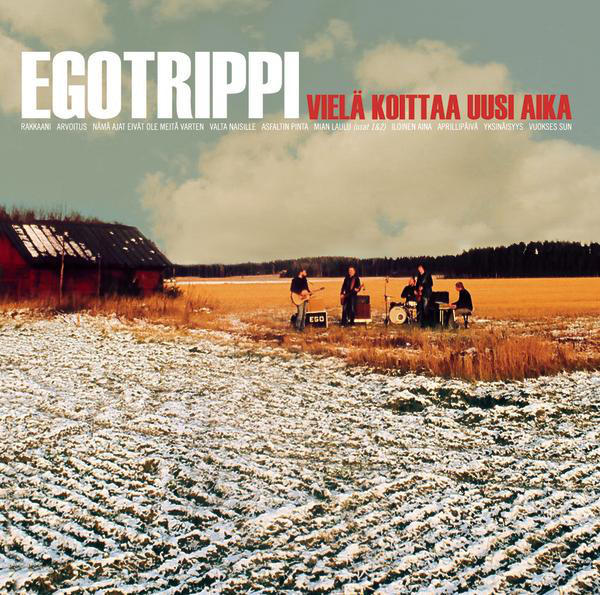
 View Artist