Song Meaning
The aftermath of a celebration leaves the narrator with a blank head, struggling to comprehend a past self that couldn't imagine life without someone. This past self clung to the belief that the other person was their 'only one.' However, the present narrator declares a profound emotional numbness, stating 'I'm numb,' and that 'anyone will do,' asserting that this person can no longer inflict pain.
The core tension arises from this stark contrast between past dependence and present detachment. The lyrics suggest a deliberate shedding of vulnerability, a defense mechanism against potential hurt. The narrator admits to having *wanted* to believe in the other's singular importance, even hoping they could make them 'shine for a moment.' Yet, this hope is overshadowed by a stronger desire for the other person to simply disappear with the morning.
The repeated assertion 'tunnoton oon' (I'm numb) acts as a powerful refrain, hammering home the narrator's current state of emotional detachment. This isn't just a fleeting feeling; it's a declared identity. The phrase 'Mulle käy kuka vaan' (Anyone will do) further emphasizes this widespread indifference, highlighting how the specific individual has lost all power to affect the narrator.
This lyrical construction is effective because it grounds a profound emotional shift in simple, direct language. The contrast between the desperate 'eilen uskoin' (yesterday I believed) and the resolute 'tunnoton oon' (I'm numb) creates a palpable sense of emotional distance. The narrator isn't just over the relationship; they've seemingly rebuilt an impenetrable emotional wall, rendering the past lover powerless.
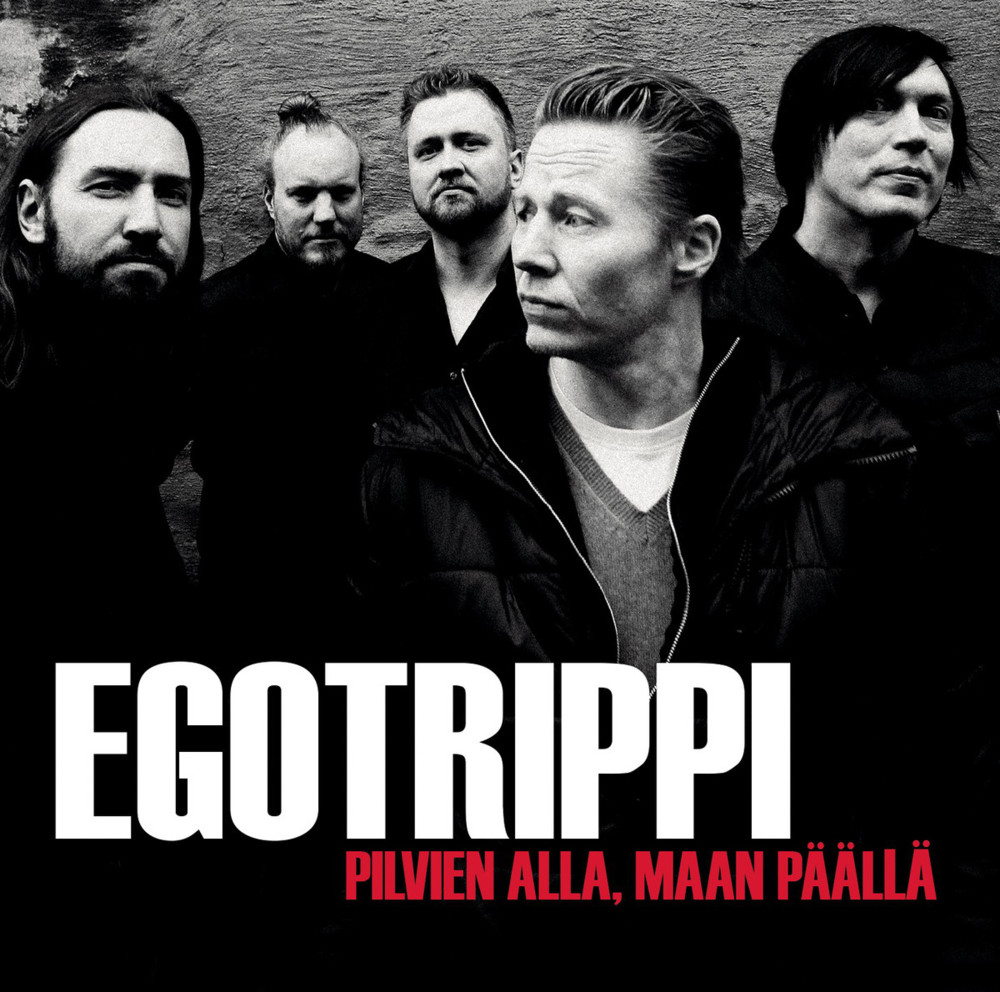
 View Artist