Song Meaning
The lyrics paint a stark portrait of a "needless man," someone adrift and unburdened by expectation. There's no rush, no demand to be anywhere, just a quiet existence defined by its lack of necessity. This isn't presented as a tragedy, but a state of being where the absence of obligation becomes the defining characteristic. The narrator is simply "a needless man."
The central tension lies in this paradoxical freedom. Without responsibility, the man is free from external pressures, existing "only as a number in statistics." Yet, this detachment also implies a lack of agency or belonging. He wakes up "one beautiful day" to find himself without a stake or a role in anything, highlighting the isolating nature of this complete lack of need.
The repetition of "Tarpeeton mies" (needless man) acts as a mantra, reinforcing the core identity. The phrase "Ei kiirettä mihinkään" (no rush anywhere) and "Ei tarvetta olla missään" (no need to be anywhere) underscore the passive nature of his existence. The lyrics suggest a man who has slipped through the cracks, not through active failure, but through a passive detachment from the demands of life.
This lyrical approach is effective because it uses simple, direct language to convey a profound sense of detachment. The lack of dramatic events or emotional outbursts forces the listener to confront the quiet emptiness. The power comes from the sheer, unadorned statement of being "needless," making the listener ponder the weight of necessity and the quiet liberation, or perhaps desolation, that comes with its absence.
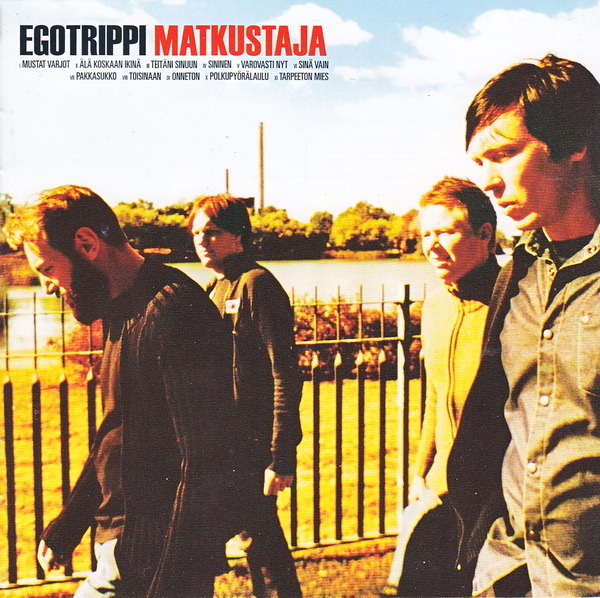
 View Artist